Process Improvement Accelerator Day
Most processes weren’t designed. They evolved.
Let’s design one on purpose.
Organizations rarely build their workflows intentionally. Most processes accumulate over time, patched together as problems came up, until nobody quite remembers why a step exists or who it's actually serving. This day gives your team practical tools to identify what's not working, or design something new where nothing exists yet, then build and test a redesign before the day ends. Work through it with traditional whiteboarding or with LEGO® Serious Play®, whichever fits your team better. Either way, it's a hands-on, all-hands session from start to finish.
Who is a process improvement accelerator day for?
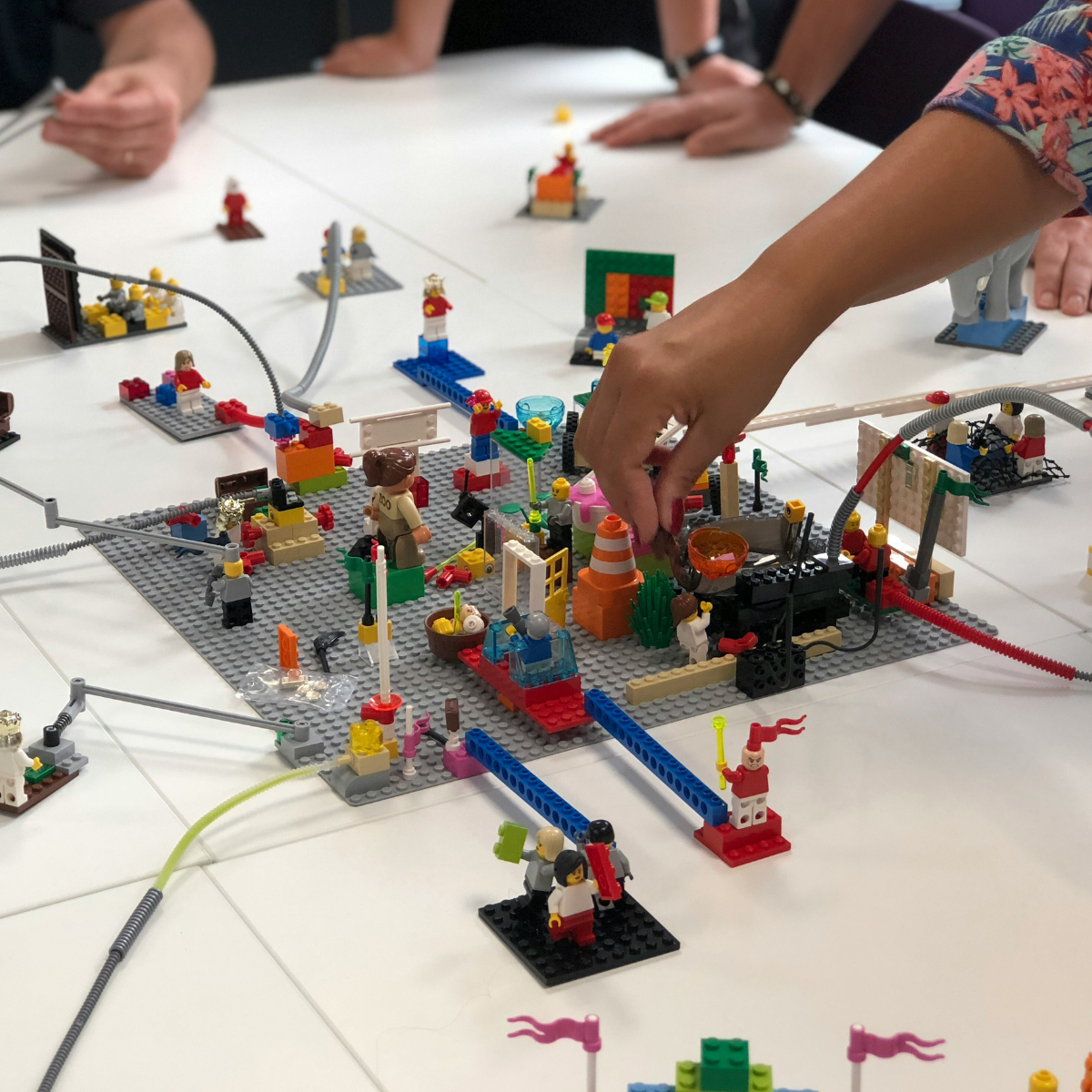
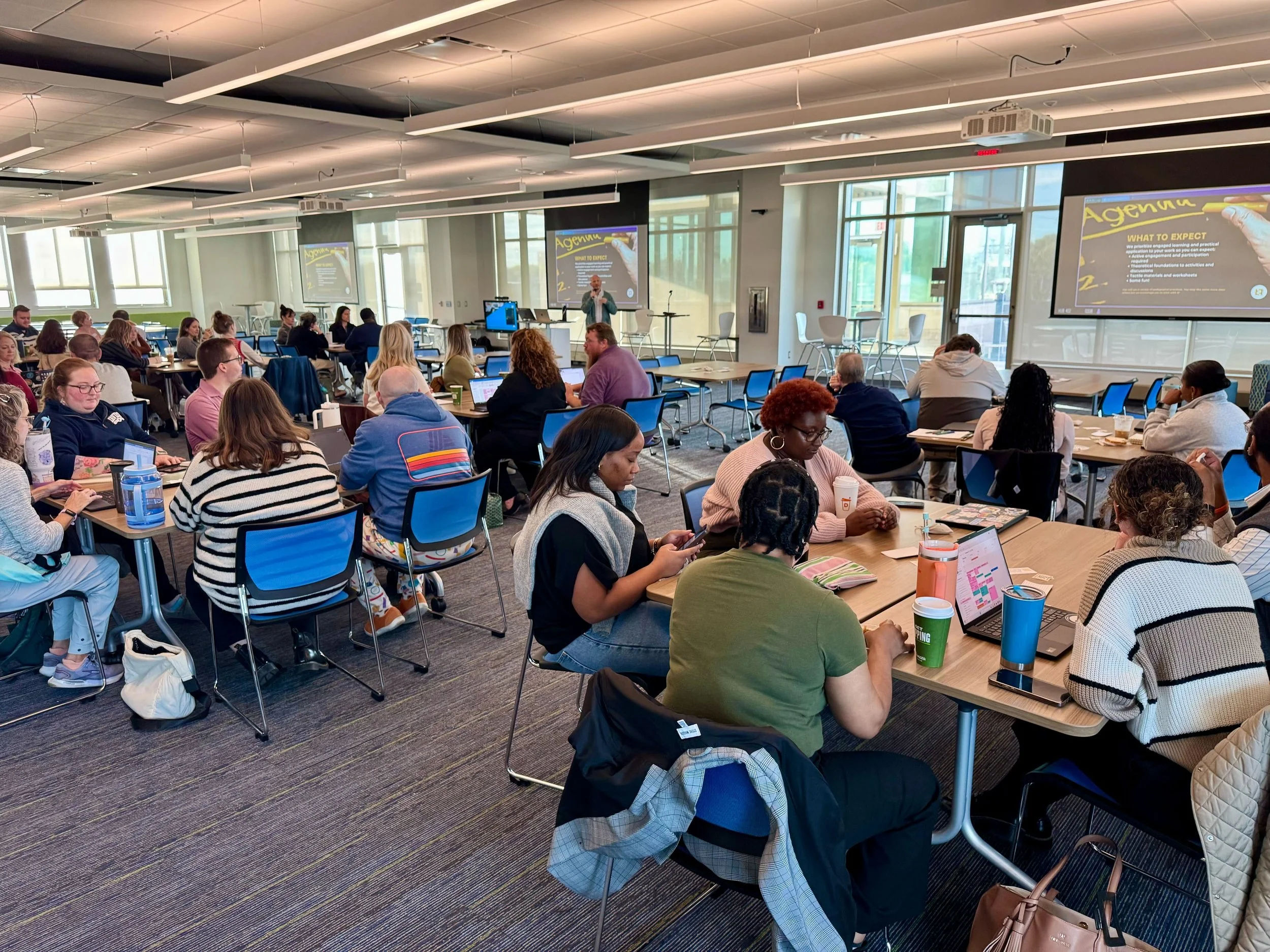
This day works for any team wrestling with a process that isn't serving them anymore, whether that's a workflow with too many handoffs, a system everyone complains about but no one has redesigned, or a new process that needs to be built from the ground up. It's built for groups of up to 12 to 15, small enough that everyone in the room stays genuinely hands-on with the mapping and redesign work rather than watching from the sidelines. This includes people at every point in the process, not just the leaders who oversee it, since the people closest to a workflow usually understand its friction points best.
Process and takeaways
The day itself runs like the process work it teaches: one step feeding the next.
A clear process map
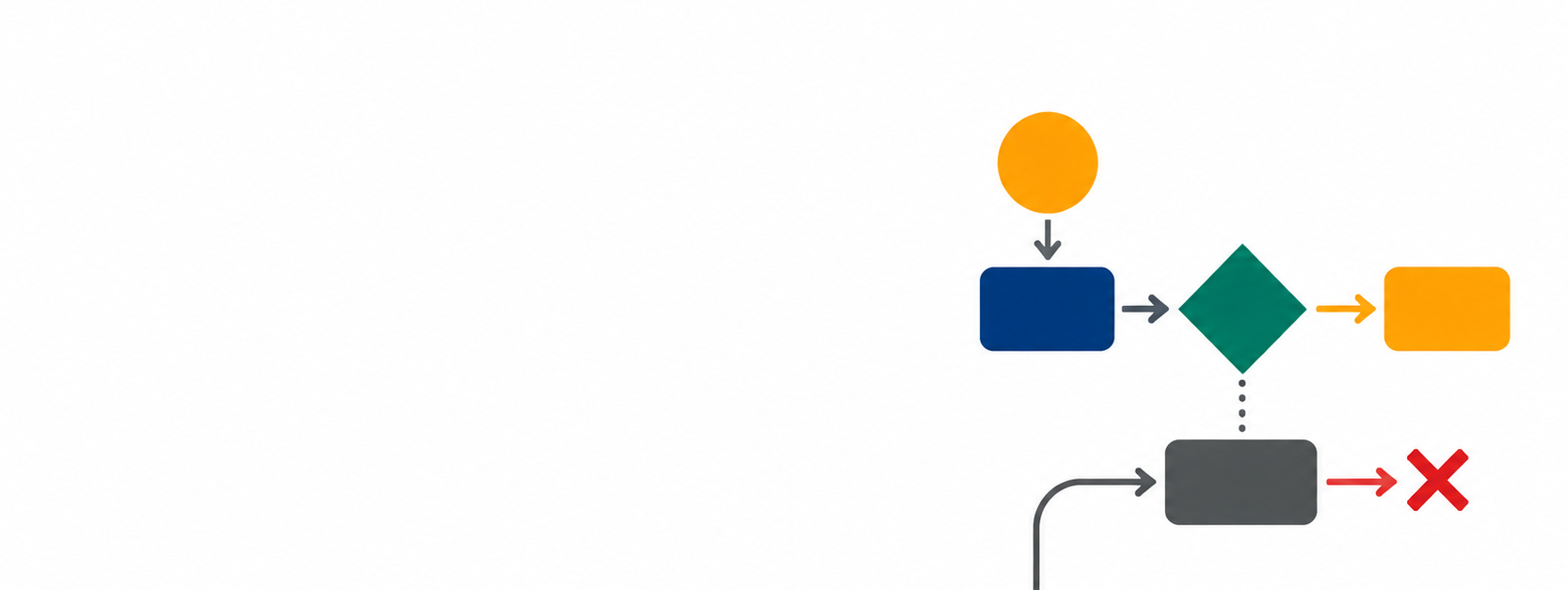
Your current process, or a fresh one built from scratch, including the roles, handoffs, dependencies, and bottlenecks that shape how the work actually happens.
Practical evaluation tools
Where complexity can be removed, where consistency is breaking down, and where the process is quietly working against the goals it's meant to serve.
A tested, team-built redesign
Worked through together using whiteboarding or LEGO® Serious Play®, whichever your team chooses.
Recommendations for implementation
Ready to put into practice the next morning.
Session structure
Why did this process end up this way? Or what does the process need to do?
Most workflows weren't designed, they accumulated, one fix at a time, in response to whatever problem was most urgent when it came up. That history is usually invisible to the people using the process every day, which is exactly why mapping it as a group matters. Once the roles, handoffs, and dependencies are visible, bottlenecks and unnecessary complexity tend to become obvious in a way they weren't when the process was just background noise. If there isn't a process yet, the morning is spent on the same underlying question from the other direction: what does this work actually need to accomplish?
From identifying the problem to building the fix and testing it
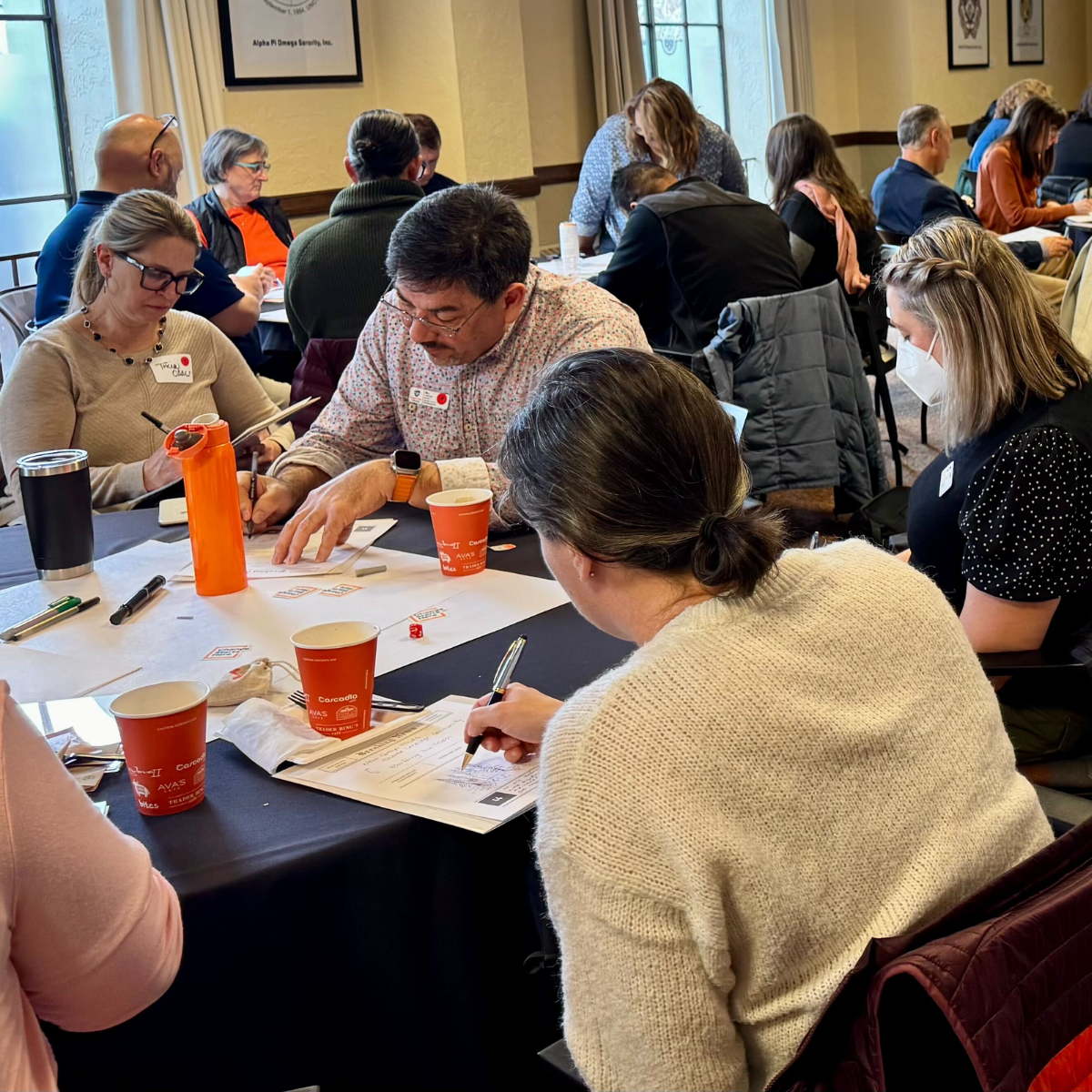
Teams who prefer to work with their hands use LEGO® Serious Play® to build a physical, three-dimensional model, making assumptions, unclear ownership, and quiet workarounds visible in a way a whiteboard alone often can't. Teams who'd rather stay with a more familiar format map and test the redesign on a whiteboard instead, working through the same real decisions about where handoffs happen and who owns what. Either way, the room stays hands-on, and every voice stays in the conversation past the point where usually only a few people keep talking.
What's unique about our approach
Process mapping works differently depending on how you do it, and we treat that as a real choice, not a formatting preference. LEGO® Serious Play® gives your team a way to externalize things that are hard to say out loud directly, like where a handoff actually breaks down, or which step everyone privately routes around because it doesn't work, and because everyone builds their own piece of the model, the conversation includes perspectives that a purely verbal discussion tends to lose to whoever talks first or loudest. Traditional whiteboarding gets your team to many of the same insights through a format they may already be comfortable with, with no physical materials required.
This is human-centered design applied to internal systems rather than external products: starting from how the process actually gets used, by the people who actually use it, rather than how it was originally documented or intended. We don't believe a redesigned process sticks just because someone wrote it down and circulated it. It sticks because the people who'll use it built it themselves, tested it in the room, and left with real alignment on why it should work differently now.
FAQ
Do we have to use LEGO® Serious Play®, or can we stick with a more traditional format?
Either works. LEGO® Serious Play® and traditional whiteboarding are two different ways to do the same work of building and testing a redesigned process together. We'll help you figure out which fits your team's preferences during booking.
How many processes can we redesign in one day?
One day comfortably covers a single high-priority workflow in real depth. Organizations who need to redesign more than one process typically extend into a multi-day engagement, so each workflow gets the same thorough treatment.
What size group works best?
Up to 12 to 15 people. That size keeps the mapping and redesign work genuinely hands-on for everyone in the room, rather than turning into a presentation a few people lead.
Who should be in the room?
Anyone connected to the process, not just the people who manage it. The people doing the work day to day usually understand the friction points better than the people overseeing it from above, and their presence in the room is part of what makes the redesign hold up in practice.
What do we leave with?
A documented process map, evaluation findings, and best-practice recommendations from the core session. If the LEGO® Serious Play® add-on is included, you also leave with a physically modeled redesign and documented recommendations for implementation.
What impacts the pricing of a Process Improvement Accelerator Day?
For Process Improvement Accelerator Days specifically, you have the option to keep your LEGO® bricks and models at cost. Individual window kit bags are $15 per participant; shared model boxes start at $100 per table. Your group can opt to use and return our LEGO® components instead for no additional charge.
Ready to book?
Tell us what your team needs, book the consultation, and we’ll get started on planning a customized Accelerator Day for your organization.
Related Accelerator Days
Process redesign often surfaces bigger questions about how change gets led or how the process fits into a broader strategy. These related days can help you carry that work forward.