
Coaching the team as a collective system.
Talented individuals do not automatically add up to a strong team. Executive teams and department leadership groups often deal with unspoken friction, unclear hand-offs, competing priorities, and communication gaps that slow progress across the organization.
Schedule a Team Coaching ConversationTeam Coaching works with the team as a whole. We coach intact leadership teams together, helping them surface assumptions, put their combined strengths to use, and agree on how they will work in ways that hold up after the sessions end.
When Teams Bring Us In
Intact leadership teams typically bring us in when:
A new executive cabinet or department team has recently formed or reconfigured.
Functional silos are causing communication bottlenecks and missed hand-offs.
Opposing styles create friction during decision-making.
The team wants to adopt a “First Team” mindset, putting shared organizational goals ahead of departmental priorities.
Our Methodology & Tools
Team Coaching combines facilitation, work on live issues, and hands-on mapping tools:
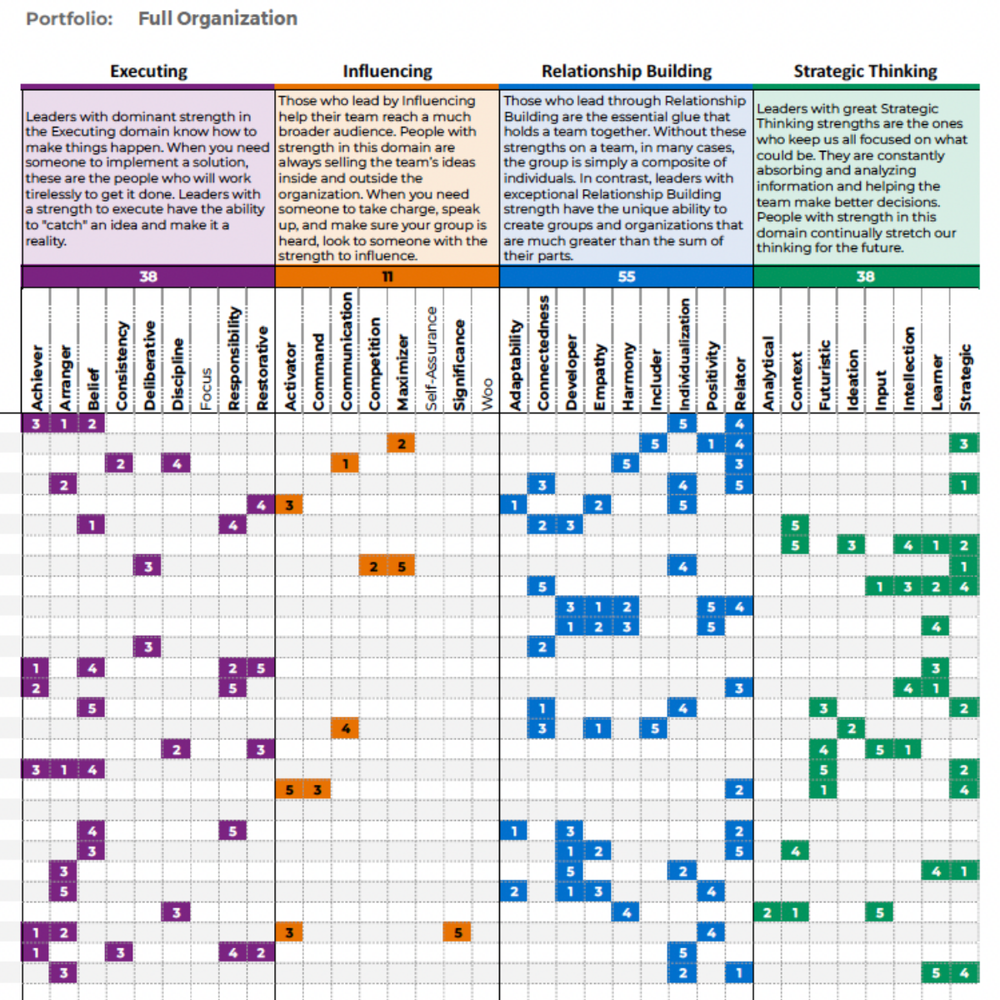
CliftonStrengths® Team Grid Analysis
Mapping the team’s combined strengths across the Executing, Influencing, Relationship Building, and Strategic Thinking domains to inform delegation and cover gaps.
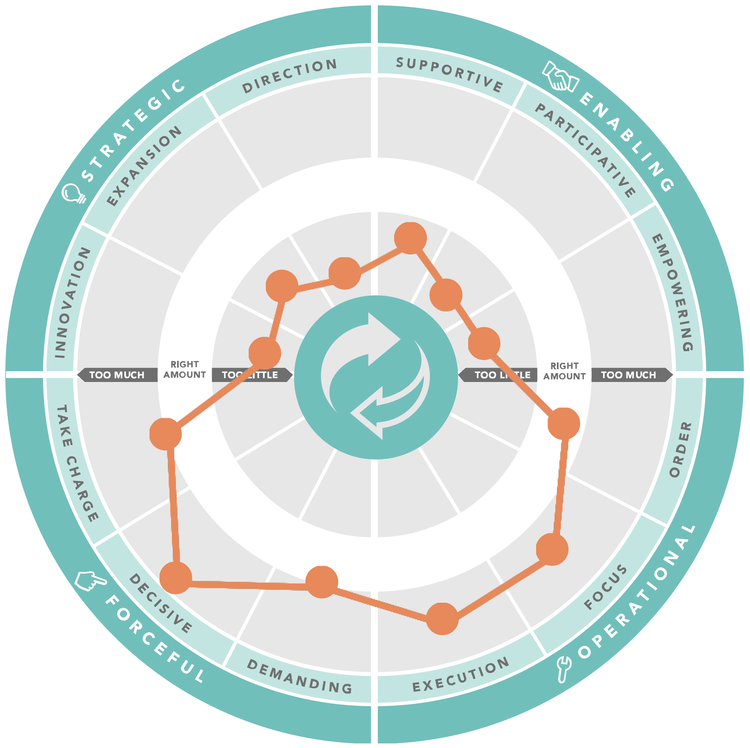
Leadership Versatility Index (LVI) Team Report
Combining each team member's 360-degree feedback into one view of how the team leads, showing where the group tends to overdo or underuse forceful, enabling, strategic, and operational behaviors, so the team can see its shared strengths and common development needs.
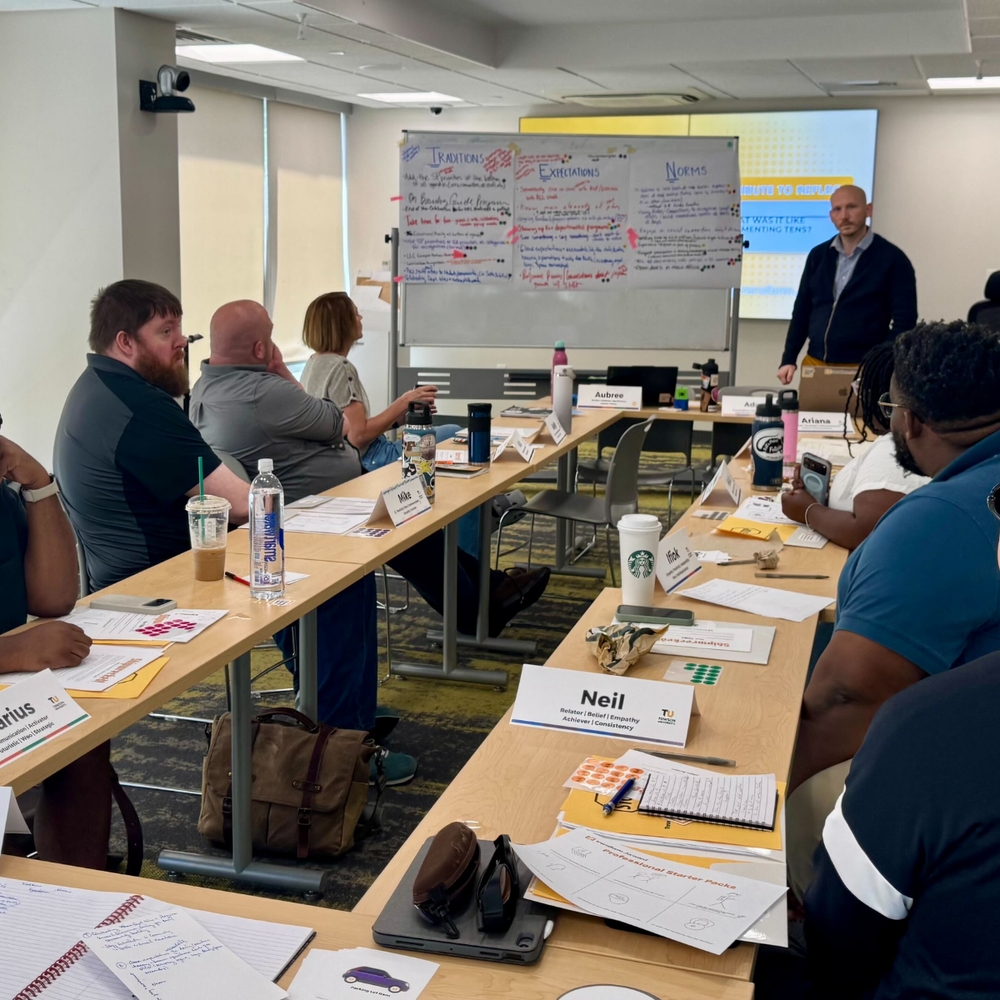
Personal Operating Preferences (POP)
Surfacing unspoken working styles, communication preferences, and stress triggers across team members.
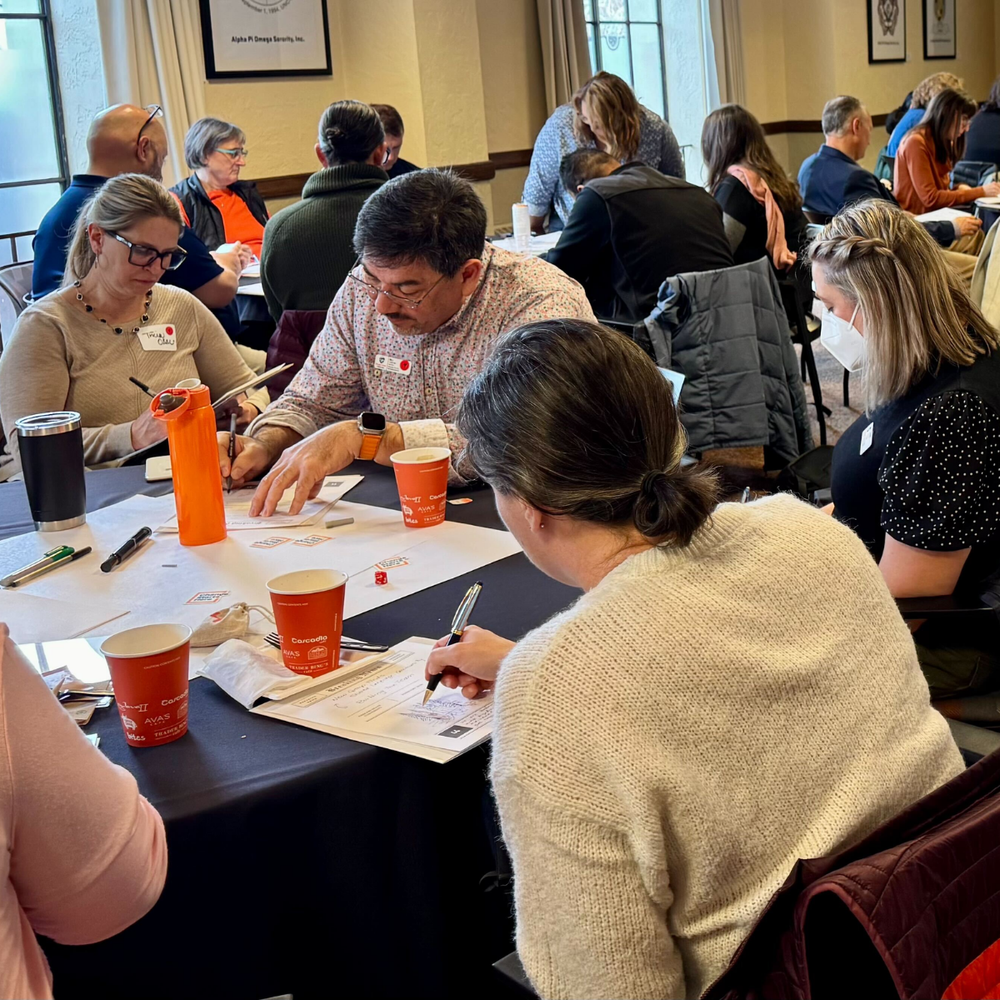
Hands-On Modeling
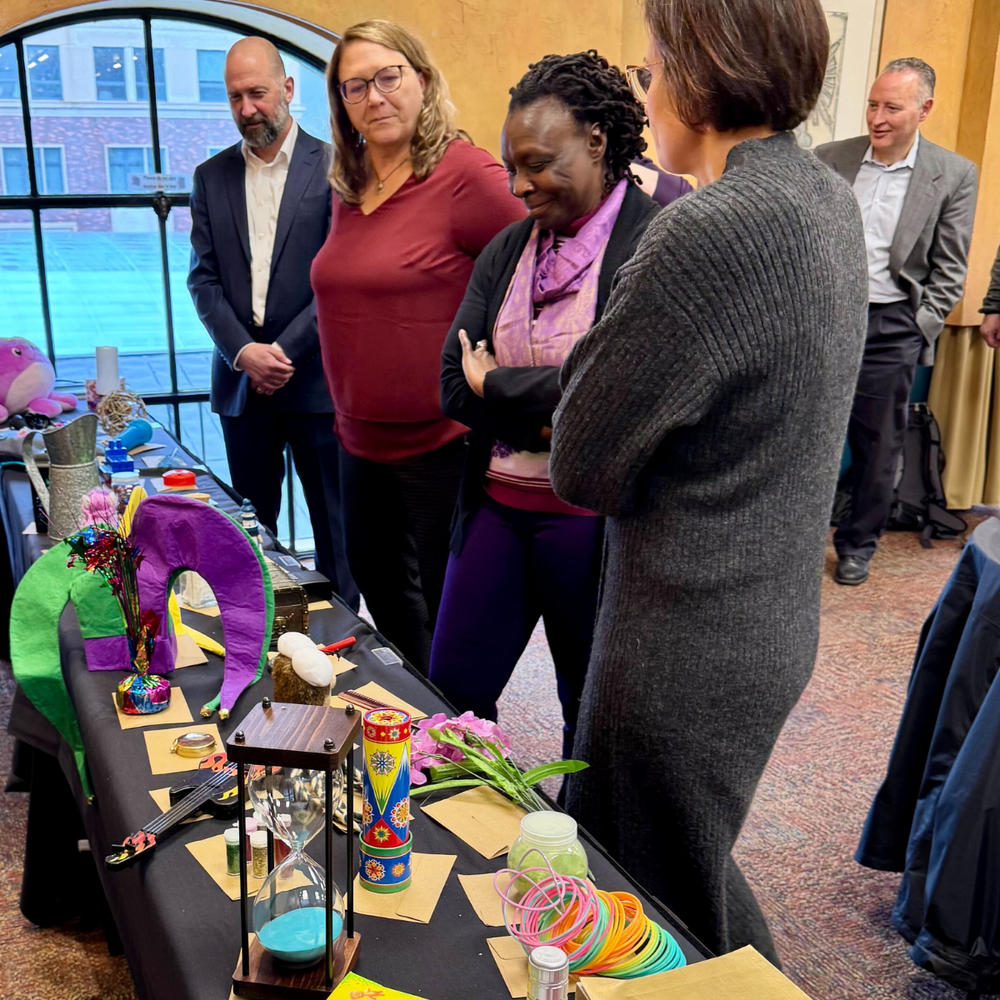
Using human-centered design exercises or the LEGO® SERIOUS PLAY® method to map hand-offs and make system barriers visible.
Shared Working Agreements
Writing working norms together for communication, decision authority, and conflict resolution, and revisiting them as the team changes.
What Your Team Walks Away With
Team Strengths Grid & Gap Analysis
A clear picture of where the team’s talents are concentrated and a plan for covering the gaps.
Operational Role & Hand-Off Map
Clear definition of individual task ownership and explicit rules for project hand-offs.
Team Operating Manual
Concrete working agreements governing how the team communicates, resolves conflict, and holds members accountable.
Shared Vocabulary
A common language for strengths and working styles that the team keeps using after the coaching ends.
Frequently Asked Questions
What is team coaching?
Team coaching works with an intact leadership team as one working system. We coach the team together to build team culture, work through friction, clarify who decides what, and set working agreements that hold up after the sessions end.
When should a leadership team consider team coaching?
Teams usually bring us in when they are newly formed or reconfigured, moving through a leadership or organizational transition, planning for succession, or noticing that friction and unclear hand-offs are slowing their work.
How does a team coaching engagement work?
It begins with a kickoff to set goals and expectations. Team members complete assessments and review their results individually, then come together in workshops that turn individual insights into a shared understanding of the team, alternating between personal reflection and group sessions over time.
What assessments and tools are used in team coaching?
We often use a CliftonStrengths® Team Grid, the Leadership Versatility Index (LVI) Team Report, Personal Operating Preferences (POP) mapping, and hands-on methods such as the LEGO® SERIOUS PLAY® method to make team dynamics visible.
How is team coaching different from a team retreat?
Team coaching is an ongoing engagement where the team works on live issues over several sessions. A retreat is a focused half-day, full-day, or multi-day session built around one outcome, such as setting priorities or agreeing on norms. Many teams use both.
Schedule a Conversation
Tell us a little about what you need and what you are working on, and we will follow up to set a time to talk.