
Forward Thinking
Welcome to Forward Thinking, where we explore the ideas, insights, and strategies shaping the future of leadership, organizational change, and culture. This is where we share what we’re learning in the field—what’s working, what’s shifting, and what leaders need to be paying attention to. Grounded in practice and informed by research, our posts are designed to help you think more critically, act more intentionally, and lead more effectively in times of change.
Consensus Is Not a Decision
Many leaders who call themselves collaborative are, without meaning to, avoiding the discomfort of ownership. This piece names three signs the pattern has taken hold, from a reputation for being shaped by whoever spoke last to decisions that never quite stay decided, and makes the case that collaborative leadership was never about avoiding unilateral decisions. It's about knowing exactly when one is required.
Stakeholder engagement can quietly replace real decision-making. Discover three signs of over-listening, and why strong, collaborative leaders still know exactly when to make the call themselves.

Serious Data, Playful Thinking
What if assessment isn’t inherently boring—we’re just asking people to engage with it in boring ways? Playful facilitation can transform assessment conversations from passive presentations into opportunities for curiosity, experimentation, critical inquiry, and collaborative sensemaking. From gallery walks and trivia games to metaphors, visual sorting, and tactile activities, explore practical ways to create assessment conversations that lead to better thinking.
StrengthsWork: Taking CliftonStrengths from Awareness to Excellence
Taking the CliftonStrengths assessment is a powerful first step, but raw talent only becomes a mature strength when you commit the time, structure, and focus required to practice it intentionally. Discover how StrengthsWork bridges the gap between assessment results and real-world execution through a sustained, multi-week rhythm designed to build lasting leadership capacity.
Culture is not the Problem, it’s the Alibi
Leaders reach for "culture" the way a suspect reaches for an alibi, and for the same reason: it sounds reasonable enough that nobody pushes further. This post traces why culture language survives scrutiny that a real explanation couldn't, using a real client example and a one-sentence test for telling a structural problem from an actual cultural one.
Beyond “Good Conversations”: How to Make Qualitative Research Credible, Useful, and Actionable
Qualitative research is more than a collection of good conversations, compelling stories, or memorable quotes. When approached rigorously, it becomes a disciplined process for understanding experiences, identifying patterns, testing assumptions, and producing credible findings. This post translates qualitative rigor into practical language and explores how thoughtful questions, multiple perspectives, triangulation, transparent analysis, and honest reporting can turn lived experience into evidence that supports meaningful organizational change.
The Long Game: Why True Leadership Development Requires an Extended Experience
A single one-off workshop won't move the needle during moments of complex transition. True leadership development requires an extended experience. Discover why we design sustained, scaffolded programs that progress through the layers of Self, Team, and Organization to make a lasting impact.
Preferences vs. Expectations: Navigating the Collision Points on Close-Knit Teams
Leaders consistently overestimate how clearly they have articulated their expectations, while team members quietly rely on unvoiced assumptions. Discover why personal work preferences don't have to perfectly match team expectations, and learn how leaders can use targeted scripts to navigate these collision points and move from forced compliance to true excellence.
The Hidden Assumptions Behind Common Metrics
Metrics can help organizations notice patterns, make decisions, and stay accountable. But every metric also carries assumptions about what success looks like, whose experience matters, and what the number can actually tell us. This post explores how leaders can use common metrics as conversation starters rather than final answers.
The Myth of the Invisible Facilitator
In certain facilitation circles, neutrality gets treated like a professional virtue. Stay out of the way, hold the space, trust the process. It's a lovely idea, except it's also fiction, and fairly convenient for anyone who'd rather not reckon with the authority the role actually carries. In this post, we explore what facilitation actually controls, why the org chart doesn't stay in the lobby, and what it means to lead a room with real intentionality.
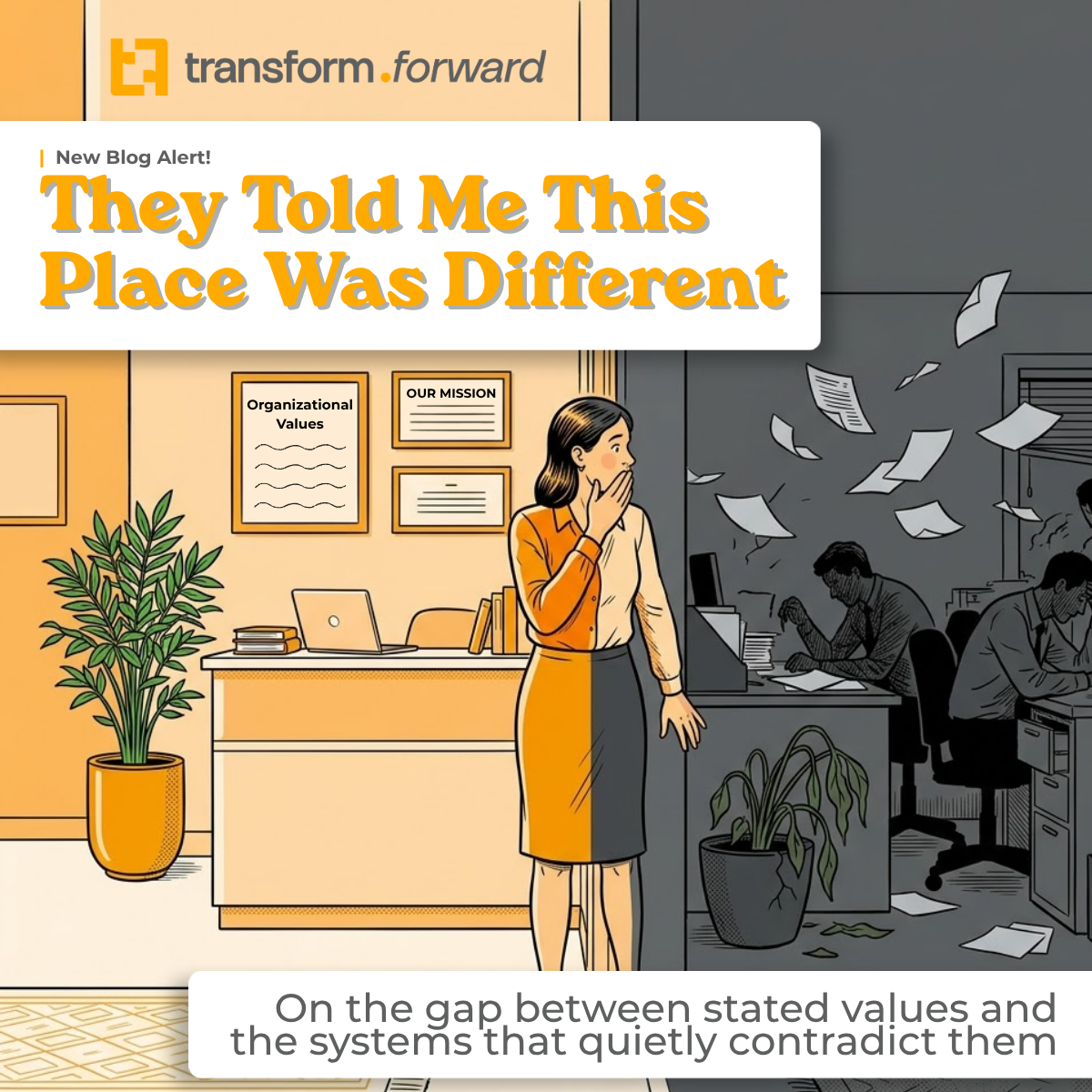
They Told Me This Place Was Different. On the gap between stated values and the systems that quietly contradict them
She wasn't looking for a perfect organization. What she was looking for, and what the interview process seemed to promise, was a place that meant what it said. She accepted the offer with genuine excitement. By month eight, she was quietly updating her resume.
Read the full post to explore the four places where the values gap most reliably lives, the questions worth asking before your next promotion cycle or all-hands, and what it actually takes to close it.
Good Data Starts with Good Ethics
In organizational research, ethics is often treated as a formality. You send the consent form, anonymize the survey, promise confidentiality, and move on. But ethical research is not a checklist. It is a series of choices about how you treat people, how you handle power, and how much trust you are willing to build or break along the way. In this post, we explore why ethical organizational research requires clarity, transparency, care, and a commitment to using data responsibly.
Strengths are Not Excuses. Your Talents Are Tools, Not a Shield.
Self-awareness is a superpower - unless it becomes an excuse. This post explores why CliftonStrengths should be used as a tool for leverage and growth rather than a way to skip out on professional baseline requirements, offering practical strategies for both individuals and supervisors to lead with intention.
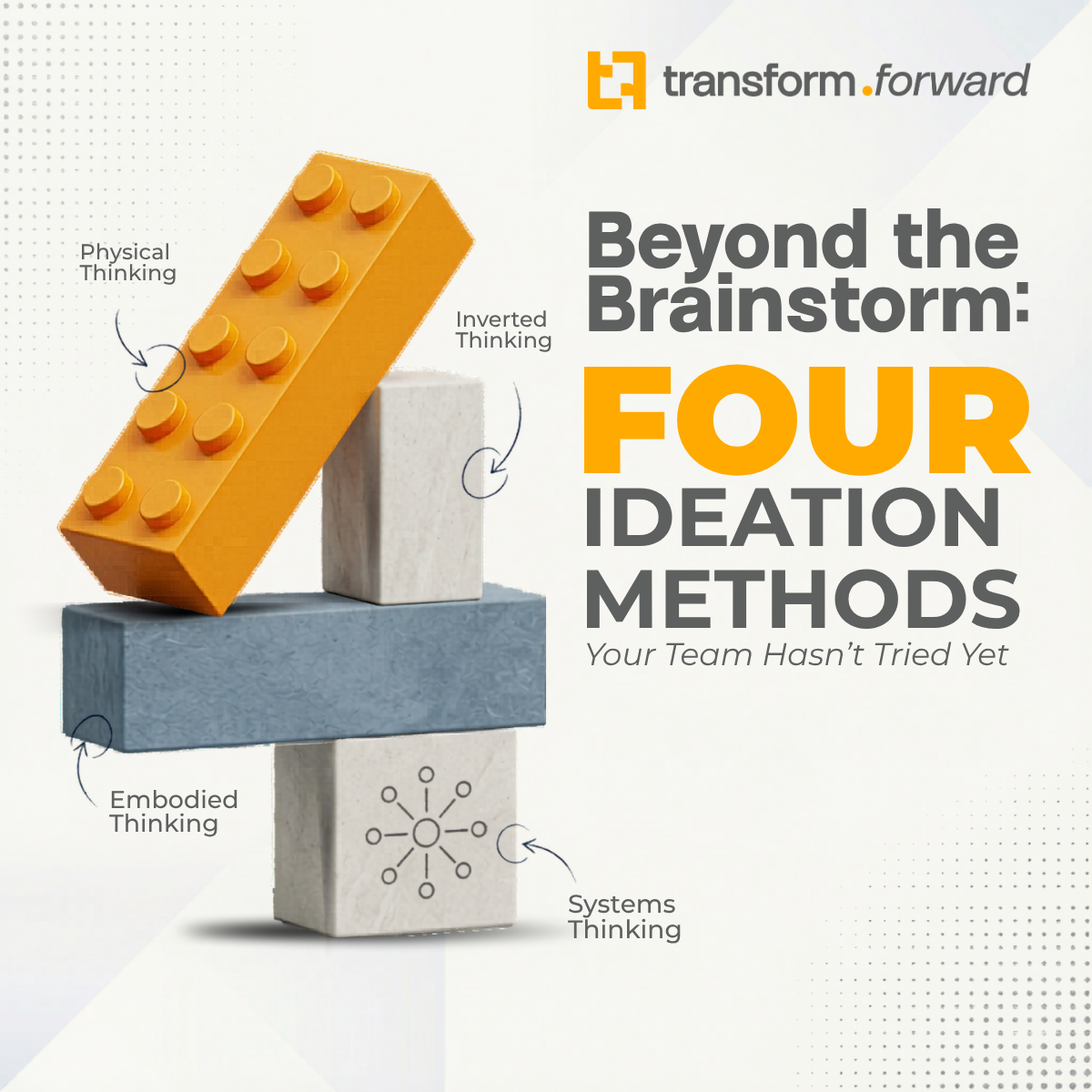
Beyond the Brainstorm: Four Ideation Methods Your Team Hasn't Tried Yet
Most teams have a default ideation format. It probably involves a whiteboard, a pack of markers, and someone who volunteered to be the scribe. It works well enough for routine problems — but for strategic planning, culture design, and decisions with long downstream consequences, "well enough" starts to show its limits.
Here are four ideation methods worth adding to your toolkit. Each one generates a distinct mode of engagement and surfaces things that a standard brainstorm doesn't — from LEGO® SERIOUS PLAY® to future wheels ideation to the surprisingly powerful pre-mortem.
The Cognitive Case for Getting Your Hands Involved
We think better when our hands are involved. The cognitive science behind that concept has been established for decades, and the practice of designing working sessions around it remains genuinely rare, even among people who care deeply about how their organizations make decisions. Giving people something physical to work with, something to sort, place, draw, or arrange, surfaces assumptions that conversation keeps invisible, encodes decisions that verbal agreement leaves fragile, and produces the kind of clarity that most planning sessions promise and rarely deliver.

Why More Data Doesn’t Mean More Clarity
More data doesn't always lead to more clarity. Without a clear framework, additional inputs can fragment understanding, slow decisions, and obscure the very signal teams are trying to find. We explore why volume isn't a substitute for synthesis, when quantity actually matters in research, and how to design a data approach built for decision-making rather than collection.
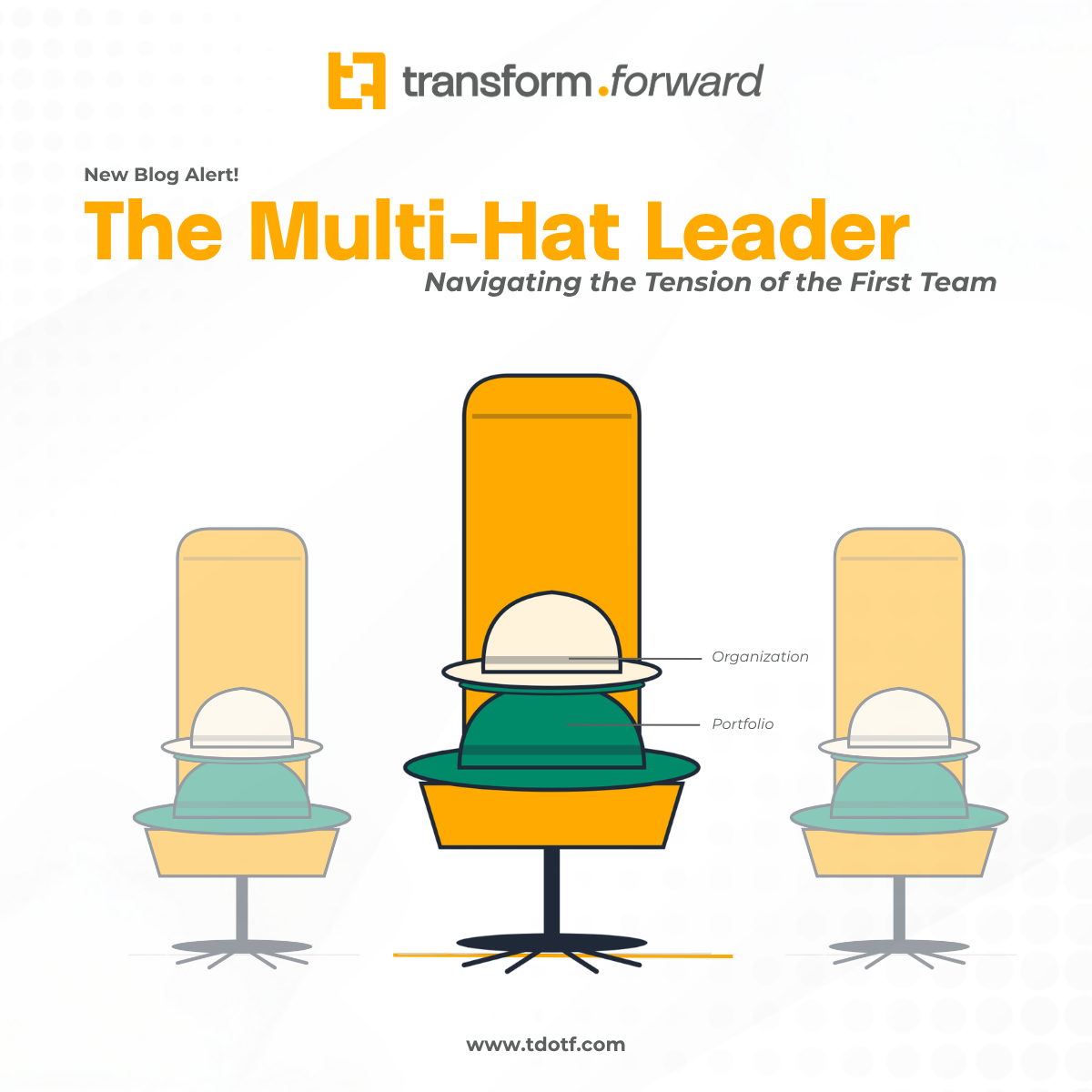
The Multi-Hat Leader: Navigating the Tension of the First Team
Leaders on a first team must be able to vacillate between representing their unit and leading the broader organization. This post introduces the Hats metaphor and provides practical scripts to help leaders communicate their perspectives with clarity, honesty, and strategic alignment.
Serious Business: What the Neuroscience and Organizational Research Say About Play at Work
The assumption that play is the opposite of serious work has almost no empirical support. It carries enormous cultural weight, which is part of why it persists, but the research on cognition, adult engagement, and organizational learning tells a consistently different story. When people are genuinely playing, the brain is doing something categorically different from what it does during a standard meeting. That difference has organizational consequences most leaders haven't fully accounted for.
A heads-up that this one goes deeper into the research than our typical posts. The neuroscience of play turns out to be a useful lens for understanding why certain organizational formats consistently underperform.
Why Your Staff Keep Asking for Clarity They Already Have
When a team keeps asking for clarity on something you've already explained, the instinct is to explain it better. Different words, a cleaner slide, a follow-up email. But repeated clarity requests are rarely about missing information, they're signals. Signals of mistrust, fear, or misalignment that don't have a safe way to surface directly. And until you learn to read what's actually behind the question, you can keep clarifying until you're hoarse and it won't stick.
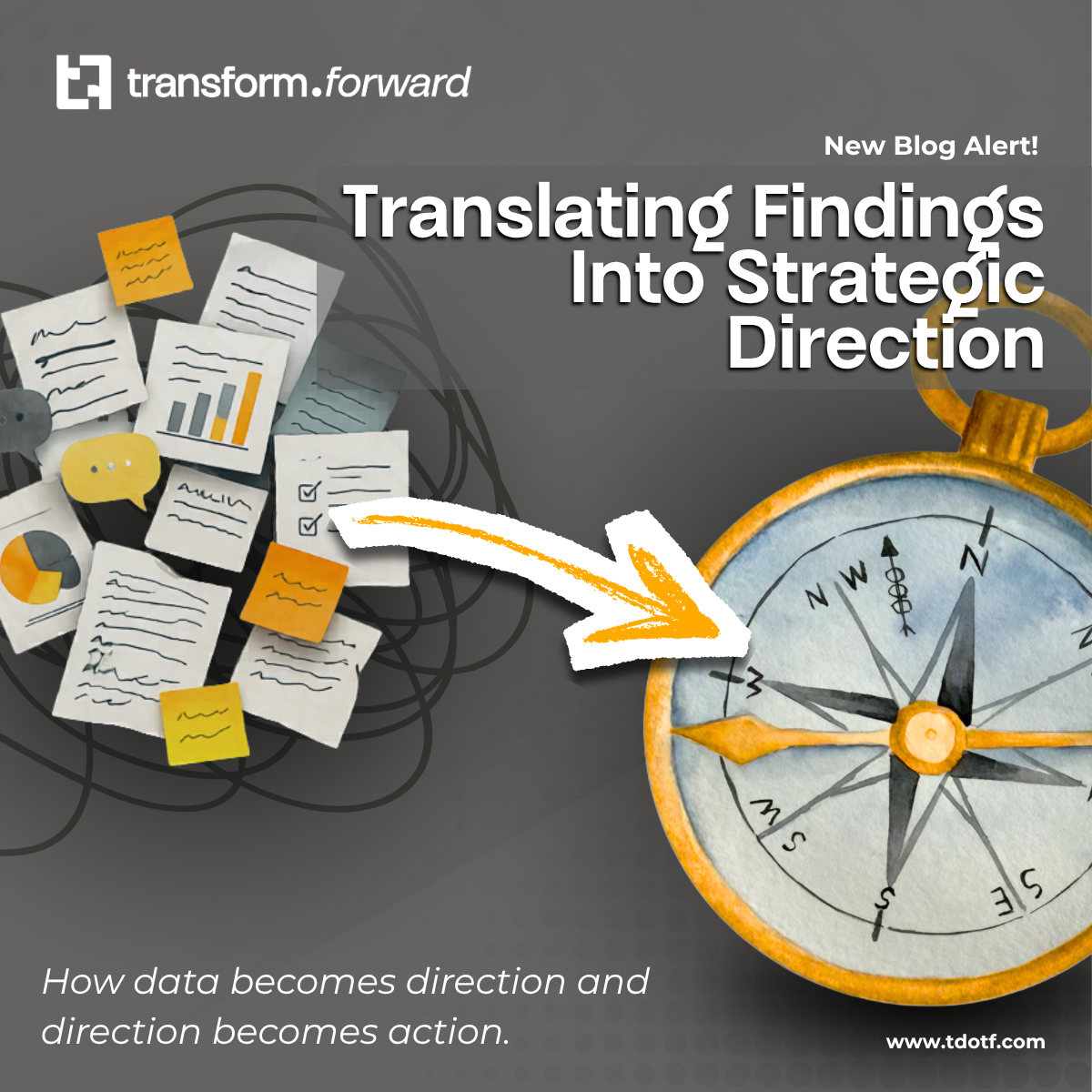
Translating Findings Into Strategic Direction - How data becomes direction and direction becomes action
Organizations often invest heavily in gathering stakeholder input—but struggle to translate those insights into meaningful strategy. This post explores how to move from raw findings to strategic language and actionable priorities, ensuring your data doesn’t just sit in a report, but drives real direction and change.
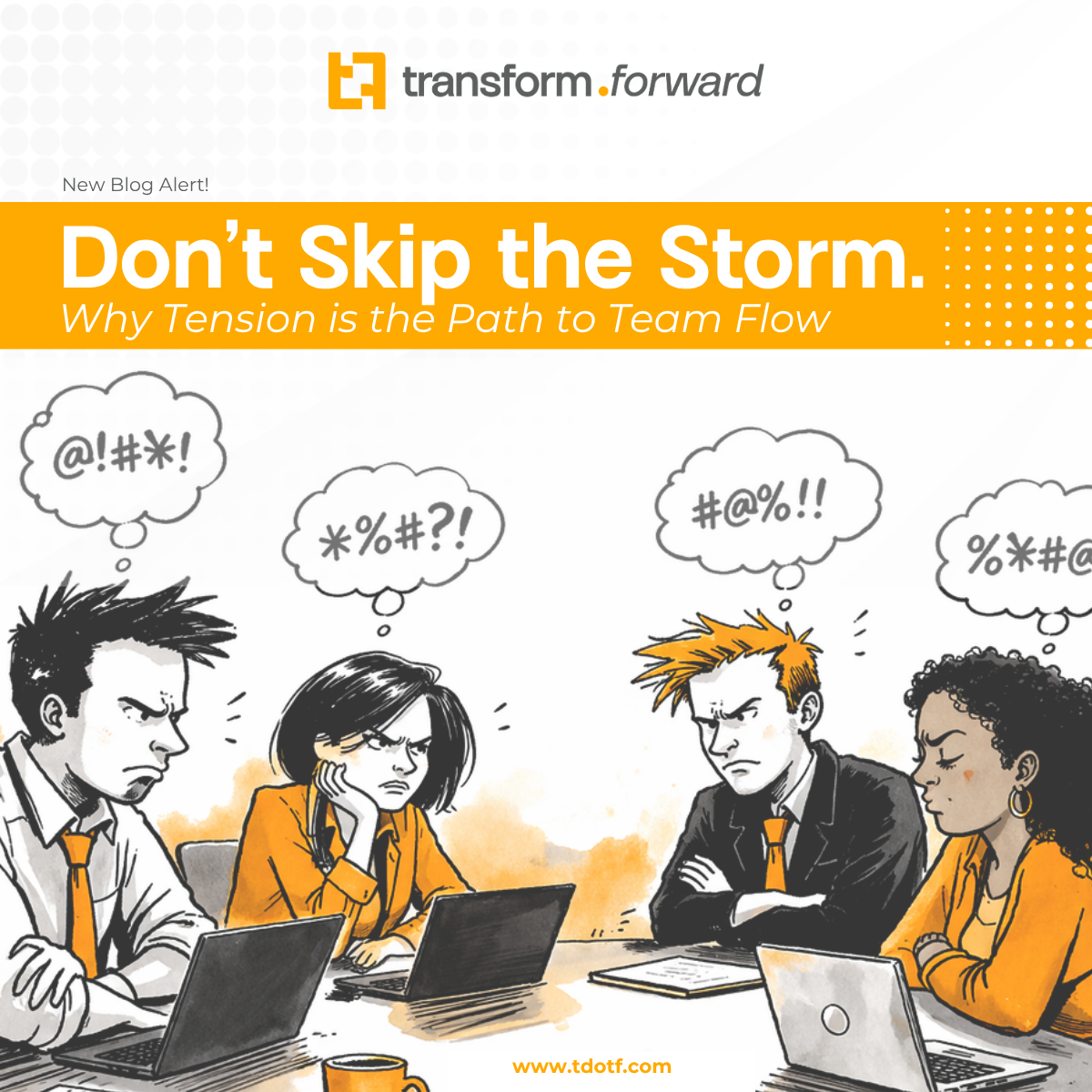
Don’t Skip the Storm - Why Tension is the Path to Team Flow
People love to skip the "Storming" phase of team development because conflict feels uncomfortable. But without the storm, you can't reach the "Norming" or "Performing" on the other side. This post unpacks why tension is a requirement for team flow and how to lead through it respectfully.