
Forward Thinking
Welcome to Forward Thinking, where we explore the ideas, insights, and strategies shaping the future of leadership, organizational change, and culture. This is where we share what we’re learning in the field—what’s working, what’s shifting, and what leaders need to be paying attention to. Grounded in practice and informed by research, our posts are designed to help you think more critically, act more intentionally, and lead more effectively in times of change.
StrengthsWork: Taking CliftonStrengths from Awareness to Excellence
Taking the CliftonStrengths assessment is a powerful first step, but raw talent only becomes a mature strength when you commit the time, structure, and focus required to practice it intentionally. Discover how StrengthsWork bridges the gap between assessment results and real-world execution through a sustained, multi-week rhythm designed to build lasting leadership capacity.
Culture is not the Problem, it’s the Alibi
Leaders reach for "culture" the way a suspect reaches for an alibi, and for the same reason: it sounds reasonable enough that nobody pushes further. This post traces why culture language survives scrutiny that a real explanation couldn't, using a real client example and a one-sentence test for telling a structural problem from an actual cultural one.
The Long Game: Why True Leadership Development Requires an Extended Experience
A single one-off workshop won't move the needle during moments of complex transition. True leadership development requires an extended experience. Discover why we design sustained, scaffolded programs that progress through the layers of Self, Team, and Organization to make a lasting impact.
Preferences vs. Expectations: Navigating the Collision Points on Close-Knit Teams
Leaders consistently overestimate how clearly they have articulated their expectations, while team members quietly rely on unvoiced assumptions. Discover why personal work preferences don't have to perfectly match team expectations, and learn how leaders can use targeted scripts to navigate these collision points and move from forced compliance to true excellence.
The Myth of the Invisible Facilitator
In certain facilitation circles, neutrality gets treated like a professional virtue. Stay out of the way, hold the space, trust the process. It's a lovely idea, except it's also fiction, and fairly convenient for anyone who'd rather not reckon with the authority the role actually carries. In this post, we explore what facilitation actually controls, why the org chart doesn't stay in the lobby, and what it means to lead a room with real intentionality.
Strengths are Not Excuses. Your Talents Are Tools, Not a Shield.
Self-awareness is a superpower - unless it becomes an excuse. This post explores why CliftonStrengths should be used as a tool for leverage and growth rather than a way to skip out on professional baseline requirements, offering practical strategies for both individuals and supervisors to lead with intention.
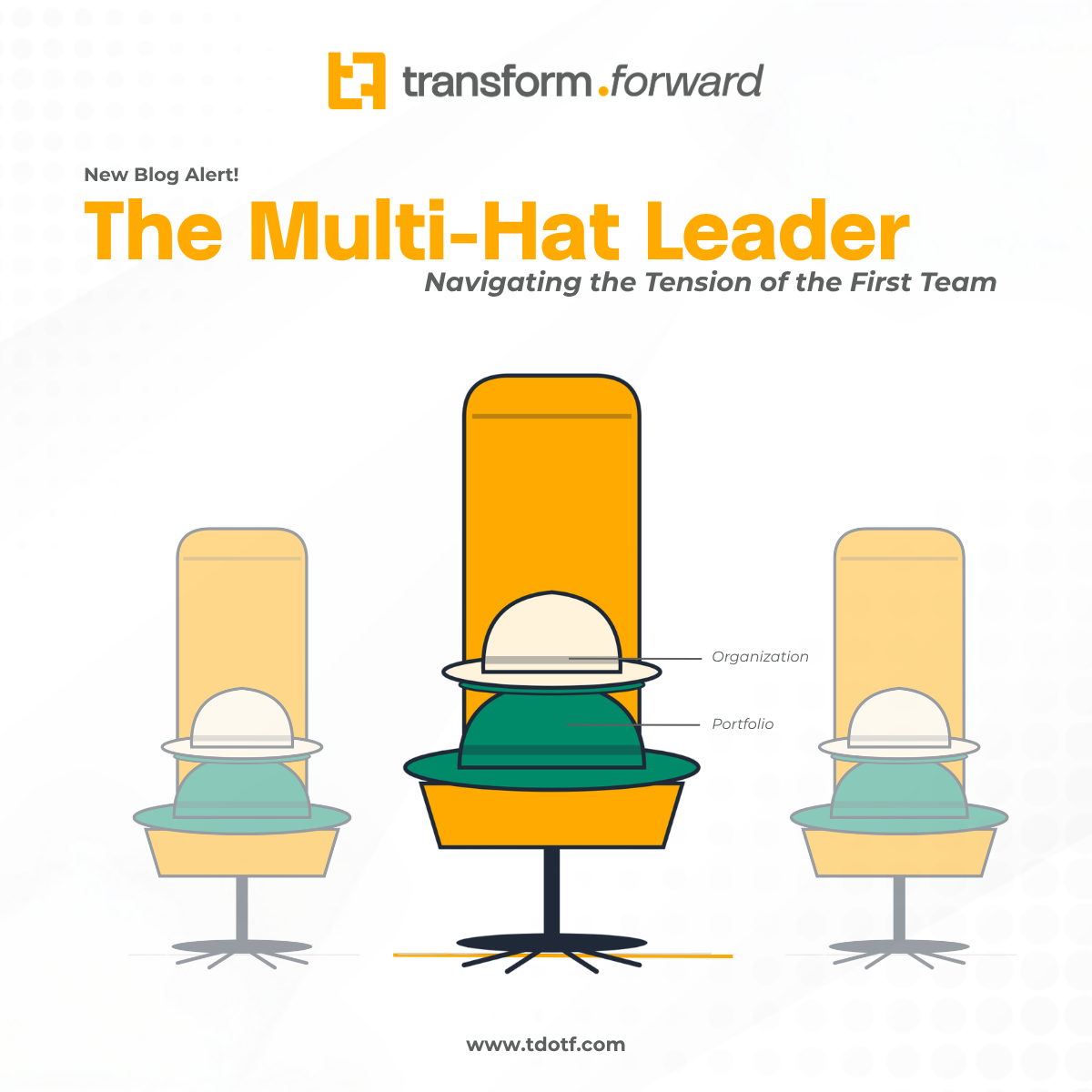
The Multi-Hat Leader: Navigating the Tension of the First Team
Leaders on a first team must be able to vacillate between representing their unit and leading the broader organization. This post introduces the Hats metaphor and provides practical scripts to help leaders communicate their perspectives with clarity, honesty, and strategic alignment.
Don’t Skip the Storm - Why Tension is the Path to Team Flow
People love to skip the "Storming" phase of team development because conflict feels uncomfortable. But without the storm, you can't reach the "Norming" or "Performing" on the other side. This post unpacks why tension is a requirement for team flow and how to lead through it respectfully.

From Retreat to Reality - Why great off-sites don't always translate into changed behavior, and what to do about it.
You leave the off-site energized. Commitments made, action items assigned, everyone's initials on the shared doc. And then Monday happens. If that arc feels familiar, you're not alone. And it's not a leadership problem. It's a design problem. Most retreats are built to produce a powerful experience. Very few are built to produce a changed organization. Those are different design briefs, and confusing them is costing leadership teams real momentum. In this post, we unpack why the inflection point problem happens, what the research tells us about behavioral change and context, and four concrete design choices that give post-retreat commitments a fighting chance.
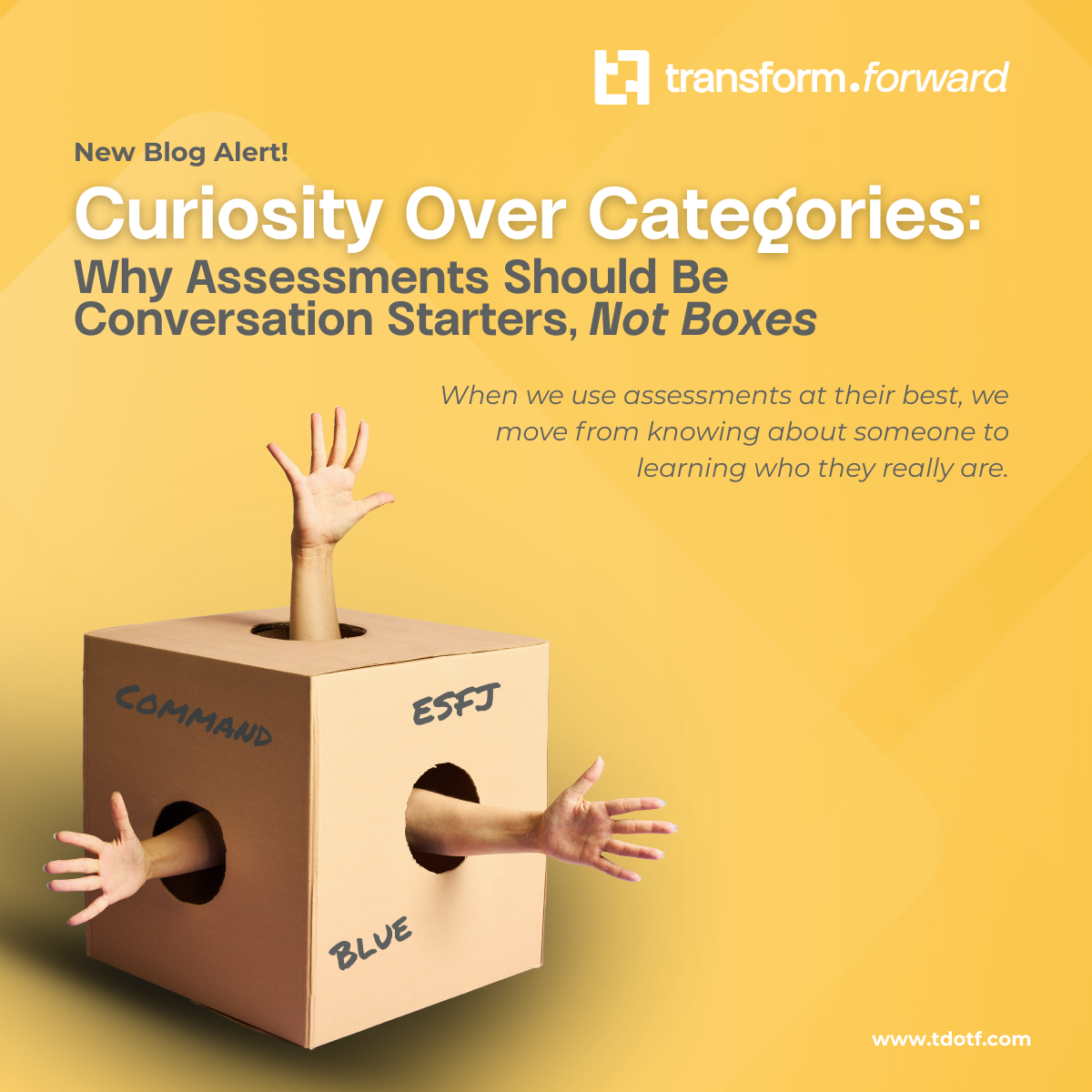
Curiosity Over Categories: Why Assessments Should Be Conversation Starters, Not Boxes
"Achievers are always on time." "Watch out for the Command themes." While sometimes funny, assessment stereotypes can be reductive. This post explores how to move from "diagnosis" to "conversation," using tools like CliftonStrengths to build empathy and alignment through the power of the "Balancing Question."
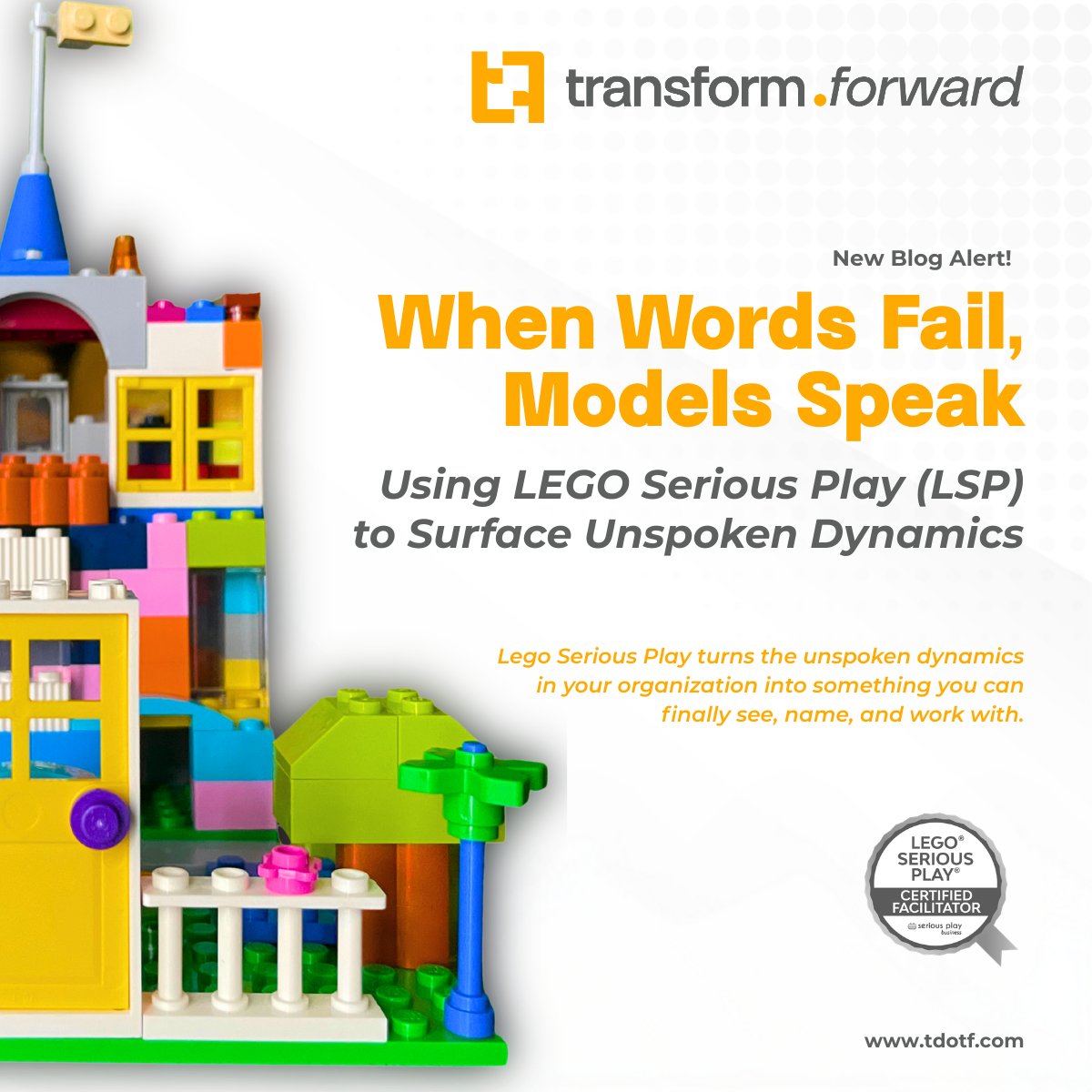
When Words Fail, Models Speak - Using LEGO Serious Play (LSP) to Surface Unspoken Dynamics
Most leadership teams leave their retreats with flip charts full of language everyone agreed to and almost no one fully believes. That is not a failure of intelligence or intention. It is a failure of medium. When organizations face genuine complexity, change, or conflict, structured verbal dialogue consistently underperforms, not because people do not have something true to say, but because the conditions of the room make it nearly impossible to say it. LEGO Serious Play (LSP) operates from a different premise. Rather than asking people to find the right words for what they know, it asks them to build it. And what gets built in those rooms is frequently the most honest organizational data available.
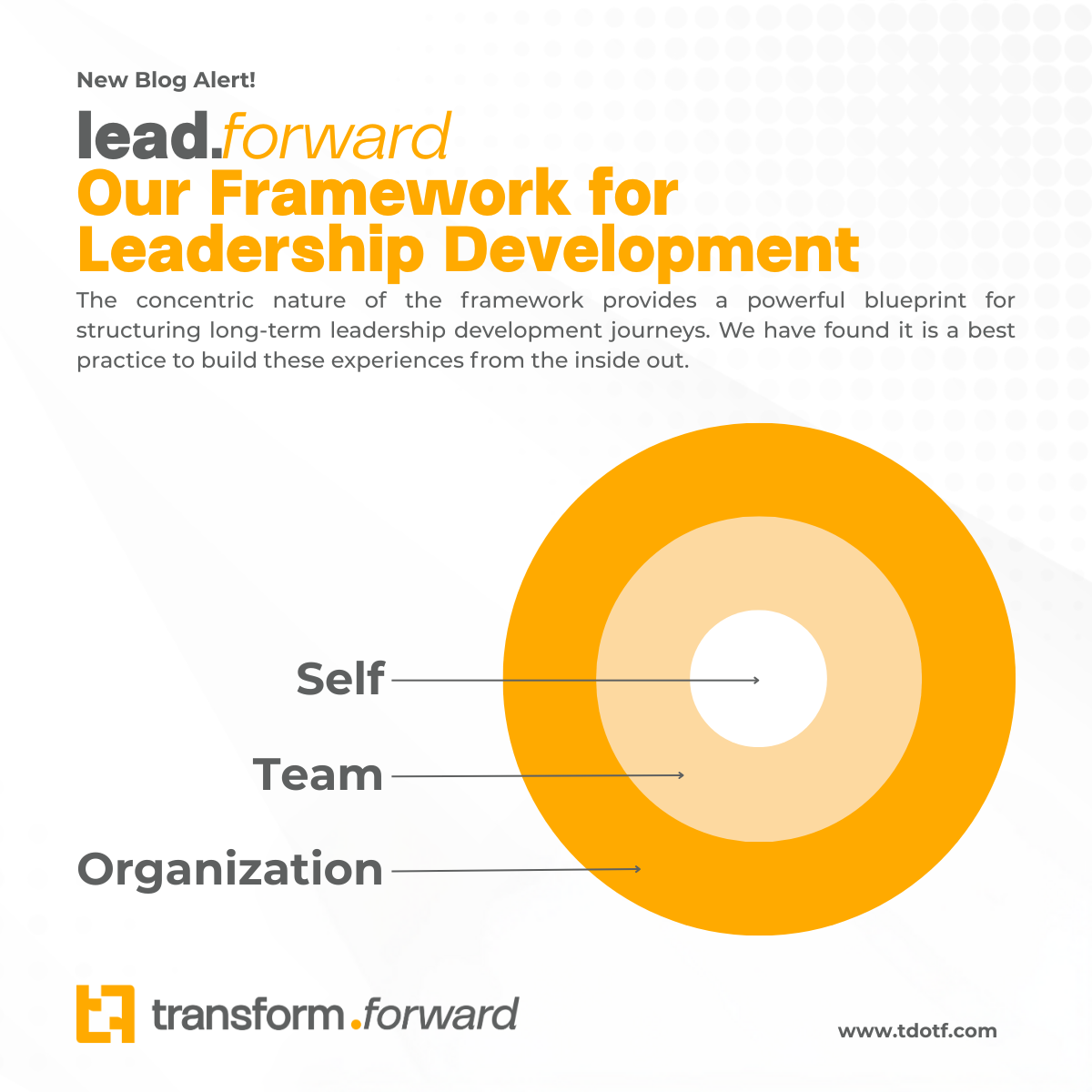
lead.forward - Our Framework for Leadership Development
Leadership isn’t a one-size-fits-all workshop; it’s a dynamic capability that flexes across self, team, and system. Without a clear lens, leadership initiatives risk becoming disconnected or generic. Discover the lead.forward framework - our intentional model for designing growth experiences that hit the mark. Learn how the "Look In, Look Around, Look Out" approach provides a scaffold for application that empowers leaders to make a meaningful difference at every level of an organization.
Designing Our Retreat the Way We Ask Our Clients To
What happens when you design a leadership retreat the same way you ask your clients to? In this post, we share how starting with time, rather than topics, reshaped our annual leadership retreat. By framing the experience around looking back, looking forward, and looking at each other, we made intentional tradeoffs that protected clarity, connection, and momentum. This behind-the-scenes look explores the design decisions that turned limited time together into something that actually moved the work forward.

Beyond Slack and Snacks: Building a Remote Culture with TENs
The real issue with remote work isn't the distance; it's the misaligned assumptions. This post introduces the TENs Framework (Traditions, Expectations, Norms) - a blueprint for moving beyond abstract cultural "vibes" to a shared, intentional operating system that drives clarity and high performance.

From Wonder to Tenacity: Leading Change Through the Lens of Working Genius
Every leader has blind spots in how they lead change. This post uses the Working Genius framework to reveal where you thrive and where you may unintentionally stall the change process. Learn to put your genius to work to lead with less friction and more impact.
Culture Isn’t Only Vibes
Many leaders have a brilliant vision for their culture but struggle with the chaotic day-to-day reality. This post introduces the TENs Process (Traditions, Expectations, Norms)—a blueprint for moving beyond abstract cultural "vibes" to a set of living, breathing practices rooted in operational clarity.
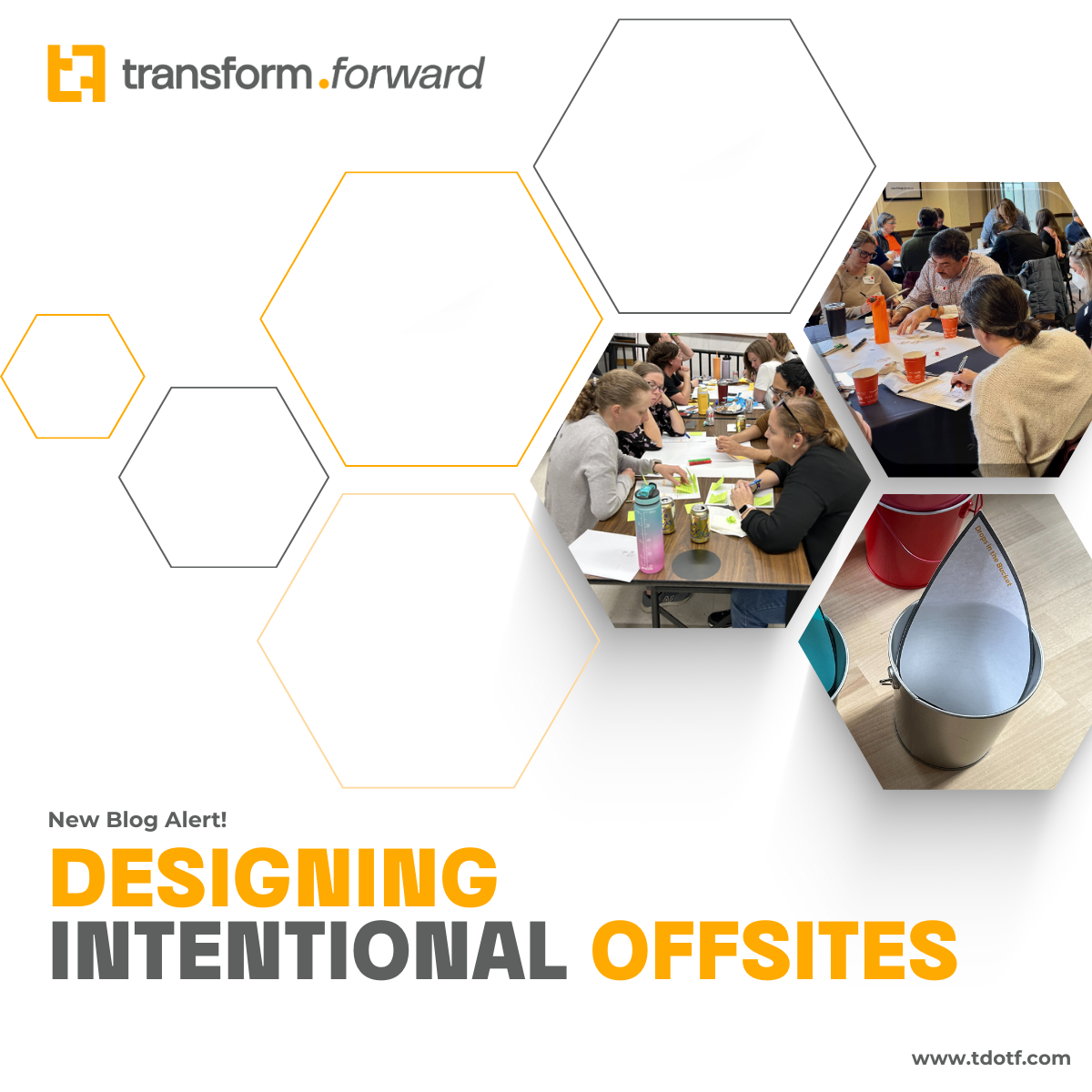
Designing Intentional Offsites
An offsite isn't just a meeting with better snacks. It's a powerful opportunity for your team to step out of the day-to-day rhythm and reset, reconnect, and realign. This post offers a glimpse into our framework for creating a truly purposeful team gathering.
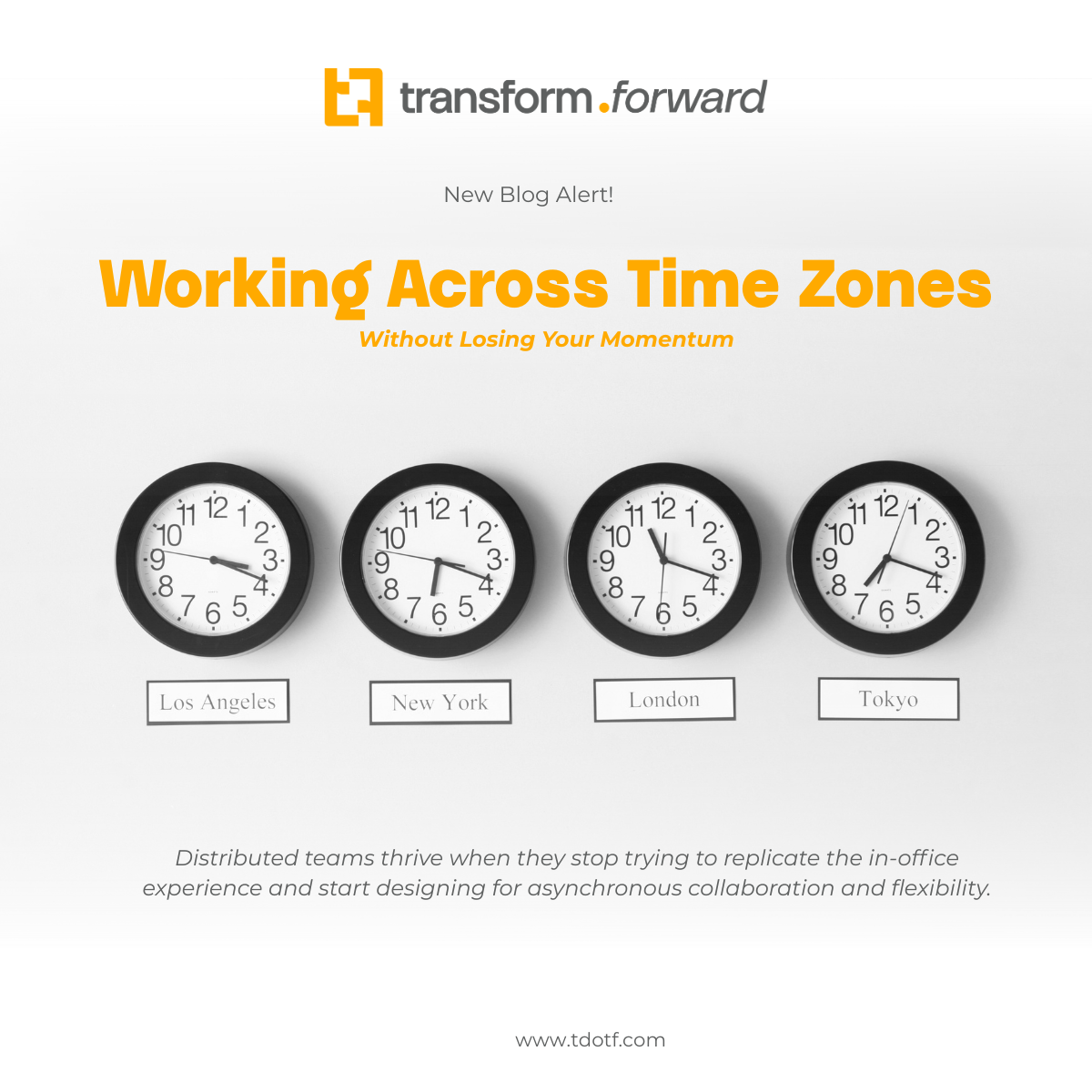
Working Across Time Zones Without Losing Your Momentum
Working on a distributed team means mastering the mental gymnastics of scheduling and the art of asynchronous collaboration. This post offers a guide to navigating the challenges of time zones with the right mindset, a few good tools, and a healthy dose of humor.

Fun at Work is Serious Business
I take fun very seriously. This post argues that authentic fun isn't frivolous; it’s an essential, intentional practice that fosters a healthy, resilient, and connected workplace. We explore different types of fun and how to cultivate them as a strategic leader.
Leveraging CliftonStrengths as a Manager
What if your team's perceived weaknesses are actually hidden strengths? This post shares a personal journey of skepticism to belief in CliftonStrengths, revealing how understanding individual talents can transform management, delegation, and team dynamics for greater empathy and productivity.