
Forward Thinking
Welcome to Forward Thinking, where we explore the ideas, insights, and strategies shaping the future of leadership, organizational change, and culture. This is where we share what we’re learning in the field—what’s working, what’s shifting, and what leaders need to be paying attention to. Grounded in practice and informed by research, our posts are designed to help you think more critically, act more intentionally, and lead more effectively in times of change.
Consensus Is Not a Decision
Many leaders who call themselves collaborative are, without meaning to, avoiding the discomfort of ownership. This piece names three signs the pattern has taken hold, from a reputation for being shaped by whoever spoke last to decisions that never quite stay decided, and makes the case that collaborative leadership was never about avoiding unilateral decisions. It's about knowing exactly when one is required.
Stakeholder engagement can quietly replace real decision-making. Discover three signs of over-listening, and why strong, collaborative leaders still know exactly when to make the call themselves.
Serious Data, Playful Thinking
What if assessment isn’t inherently boring—we’re just asking people to engage with it in boring ways? Playful facilitation can transform assessment conversations from passive presentations into opportunities for curiosity, experimentation, critical inquiry, and collaborative sensemaking. From gallery walks and trivia games to metaphors, visual sorting, and tactile activities, explore practical ways to create assessment conversations that lead to better thinking.
Culture is not the Problem, it’s the Alibi
Leaders reach for "culture" the way a suspect reaches for an alibi, and for the same reason: it sounds reasonable enough that nobody pushes further. This post traces why culture language survives scrutiny that a real explanation couldn't, using a real client example and a one-sentence test for telling a structural problem from an actual cultural one.
Preferences vs. Expectations: Navigating the Collision Points on Close-Knit Teams
Leaders consistently overestimate how clearly they have articulated their expectations, while team members quietly rely on unvoiced assumptions. Discover why personal work preferences don't have to perfectly match team expectations, and learn how leaders can use targeted scripts to navigate these collision points and move from forced compliance to true excellence.
The Hidden Assumptions Behind Common Metrics
Metrics can help organizations notice patterns, make decisions, and stay accountable. But every metric also carries assumptions about what success looks like, whose experience matters, and what the number can actually tell us. This post explores how leaders can use common metrics as conversation starters rather than final answers.
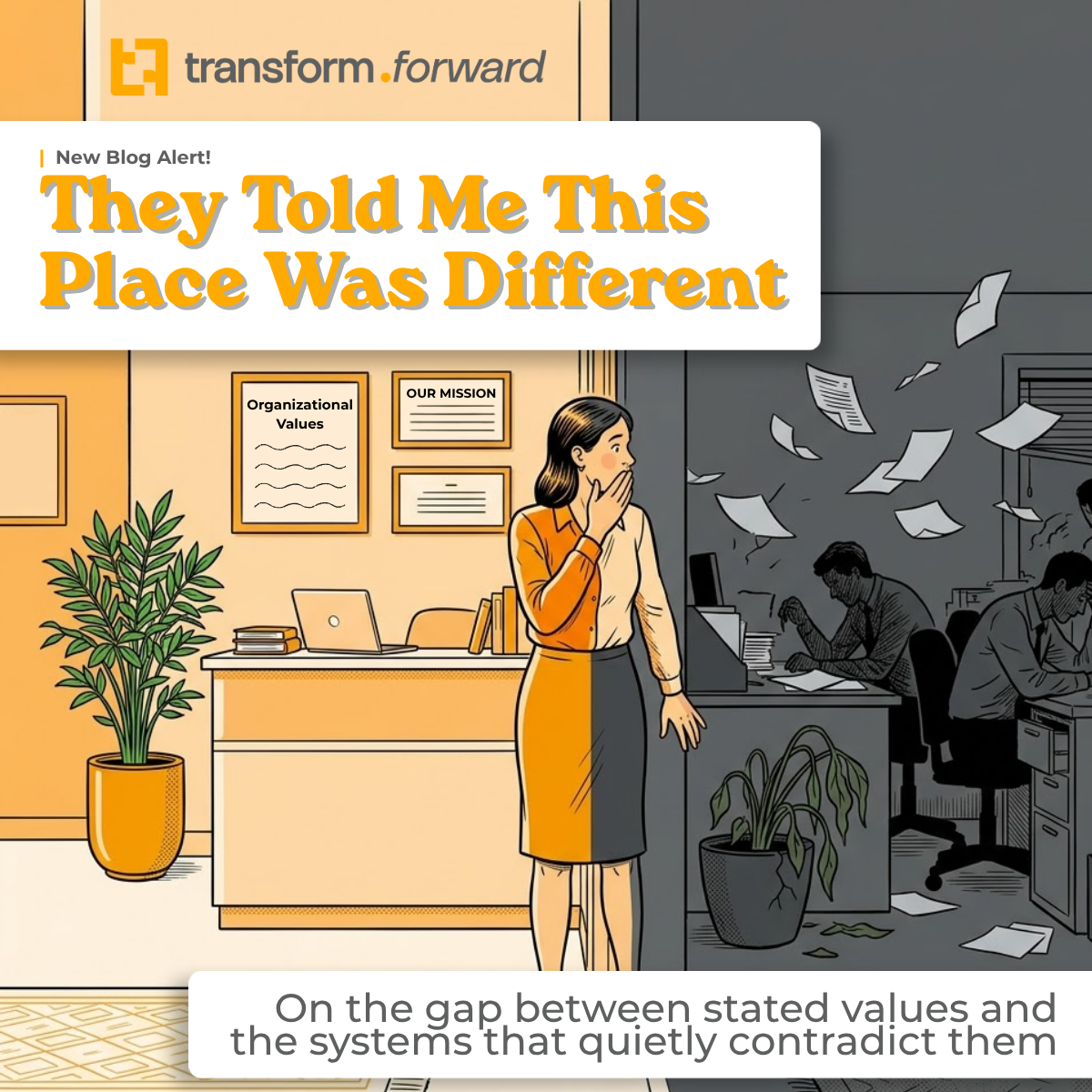
They Told Me This Place Was Different. On the gap between stated values and the systems that quietly contradict them
She wasn't looking for a perfect organization. What she was looking for, and what the interview process seemed to promise, was a place that meant what it said. She accepted the offer with genuine excitement. By month eight, she was quietly updating her resume.
Read the full post to explore the four places where the values gap most reliably lives, the questions worth asking before your next promotion cycle or all-hands, and what it actually takes to close it.
Good Data Starts with Good Ethics
In organizational research, ethics is often treated as a formality. You send the consent form, anonymize the survey, promise confidentiality, and move on. But ethical research is not a checklist. It is a series of choices about how you treat people, how you handle power, and how much trust you are willing to build or break along the way. In this post, we explore why ethical organizational research requires clarity, transparency, care, and a commitment to using data responsibly.
Why Your Staff Keep Asking for Clarity They Already Have
When a team keeps asking for clarity on something you've already explained, the instinct is to explain it better. Different words, a cleaner slide, a follow-up email. But repeated clarity requests are rarely about missing information, they're signals. Signals of mistrust, fear, or misalignment that don't have a safe way to surface directly. And until you learn to read what's actually behind the question, you can keep clarifying until you're hoarse and it won't stick.
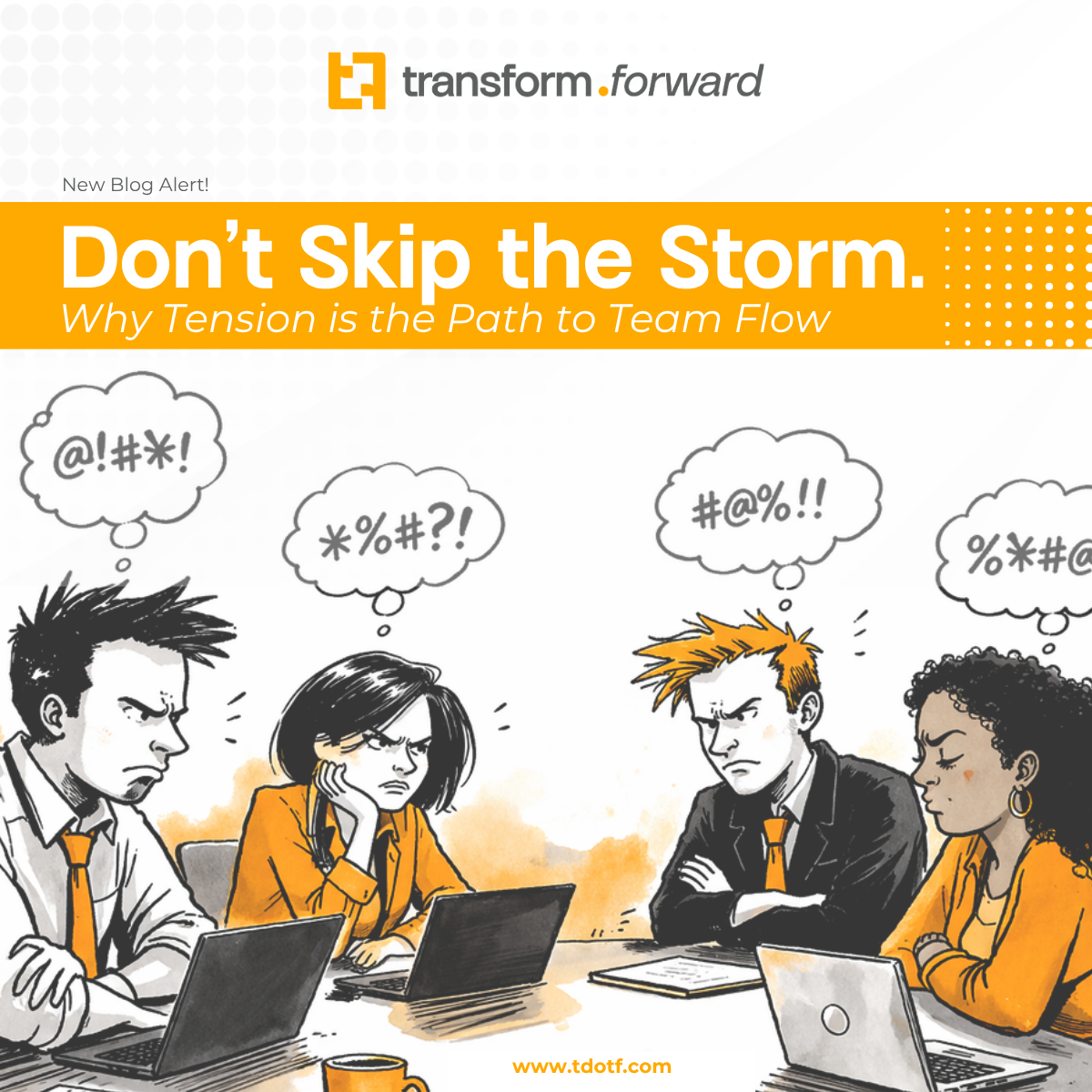
Don’t Skip the Storm - Why Tension is the Path to Team Flow
People love to skip the "Storming" phase of team development because conflict feels uncomfortable. But without the storm, you can't reach the "Norming" or "Performing" on the other side. This post unpacks why tension is a requirement for team flow and how to lead through it respectfully.

From Retreat to Reality - Why great off-sites don't always translate into changed behavior, and what to do about it.
You leave the off-site energized. Commitments made, action items assigned, everyone's initials on the shared doc. And then Monday happens. If that arc feels familiar, you're not alone. And it's not a leadership problem. It's a design problem. Most retreats are built to produce a powerful experience. Very few are built to produce a changed organization. Those are different design briefs, and confusing them is costing leadership teams real momentum. In this post, we unpack why the inflection point problem happens, what the research tells us about behavioral change and context, and four concrete design choices that give post-retreat commitments a fighting chance.
Strategic Plans as Social Contracts
Strategic plans are often treated as technical outputs, but they communicate far more than direction and priorities. In this post, we explore how planning functions as a relational process that signals legitimacy, authority, and shared responsibility. By reframing strategic plans as social contracts, leaders can better understand how process design, communication, and implementation shape trust, engagement, and long-term organizational commitment.
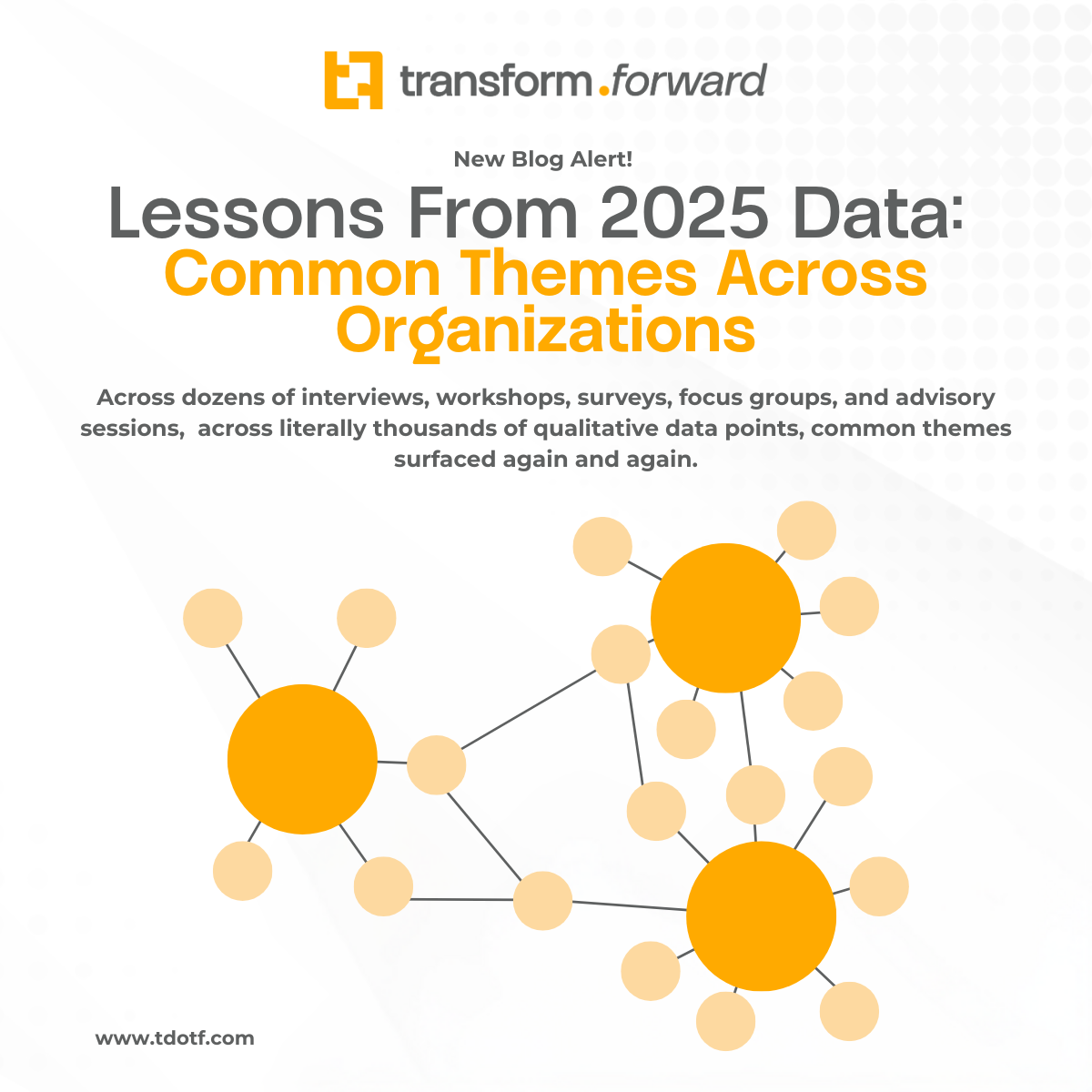
Lessons From 2025 Data: Common Themes Across Organizations
In 2025, transform.forward partnered with organizations across education and nonprofit sectors to facilitate strategic planning, organizational effectiveness studies, and stakeholder engagement initiatives. Despite differences in size, structure, and mission, common themes emerged. Stakeholders believed deeply in their organization’s purpose, yet often lacked shared clarity on priorities, decision-making, and direction. This blog explores the most consistent patterns observed across thousands of qualitative data points, and what they reveal about how organizations can build clarity, alignment, and momentum in an increasingly complex environment.
Designing Our Retreat the Way We Ask Our Clients To
What happens when you design a leadership retreat the same way you ask your clients to? In this post, we share how starting with time, rather than topics, reshaped our annual leadership retreat. By framing the experience around looking back, looking forward, and looking at each other, we made intentional tradeoffs that protected clarity, connection, and momentum. This behind-the-scenes look explores the design decisions that turned limited time together into something that actually moved the work forward.

What If You’re Not Burnt Out - You’re Bored?
Burnout and boredom can feel the same: tired, unmotivated, and detached. But the solution for each is drastically different. This post helps you spot the difference and offers actionable ways to reignite curiosity, engagement, and purpose in your work.

Leading Beyond the Noise
Deadlines, emails, and meetings crowd our calendars, convincing us that constant motion equals productivity. But urgency and importance are not the same thing. This post reveals the cost of living in perpetual crisis and offers a framework for breaking the cycle to lead with intentional calm and focus.

Beyond Slack and Snacks: Building a Remote Culture with TENs
The real issue with remote work isn't the distance; it's the misaligned assumptions. This post introduces the TENs Framework (Traditions, Expectations, Norms) - a blueprint for moving beyond abstract cultural "vibes" to a shared, intentional operating system that drives clarity and high performance.

The Human Blueprint for Change: Why Plans Fail and How to Lead Through It
Even the most brilliant strategic change will fail if employees don't understand it, trust it, or see their place in it. This post breaks down the three core psychological needs - Clarity, Trust, and Fairness - that leaders must address to move beyond flawed plans to human-centered execution.

From Wonder to Tenacity: Leading Change Through the Lens of Working Genius
Every leader has blind spots in how they lead change. This post uses the Working Genius framework to reveal where you thrive and where you may unintentionally stall the change process. Learn to put your genius to work to lead with less friction and more impact.

Don’t Just Send the Survey: Rethinking Stakeholder Engagement
Surveys are fast and scalable, but they're only one piece of the puzzle. This post explores how organizations can move beyond transactional data collection to create intentional engagement strategies - leveraging dialogue and nuance to build trust and foster shared ownership.
Culture Isn’t Only Vibes
Many leaders have a brilliant vision for their culture but struggle with the chaotic day-to-day reality. This post introduces the TENs Process (Traditions, Expectations, Norms)—a blueprint for moving beyond abstract cultural "vibes" to a set of living, breathing practices rooted in operational clarity.