
Forward Thinking
Welcome to Forward Thinking, where we explore the ideas, insights, and strategies shaping the future of leadership, organizational change, and culture. This is where we share what we’re learning in the field—what’s working, what’s shifting, and what leaders need to be paying attention to. Grounded in practice and informed by research, our posts are designed to help you think more critically, act more intentionally, and lead more effectively in times of change.
Culture is not the Problem, it’s the Alibi
Leaders reach for "culture" the way a suspect reaches for an alibi, and for the same reason: it sounds reasonable enough that nobody pushes further. This post traces why culture language survives scrutiny that a real explanation couldn't, using a real client example and a one-sentence test for telling a structural problem from an actual cultural one.
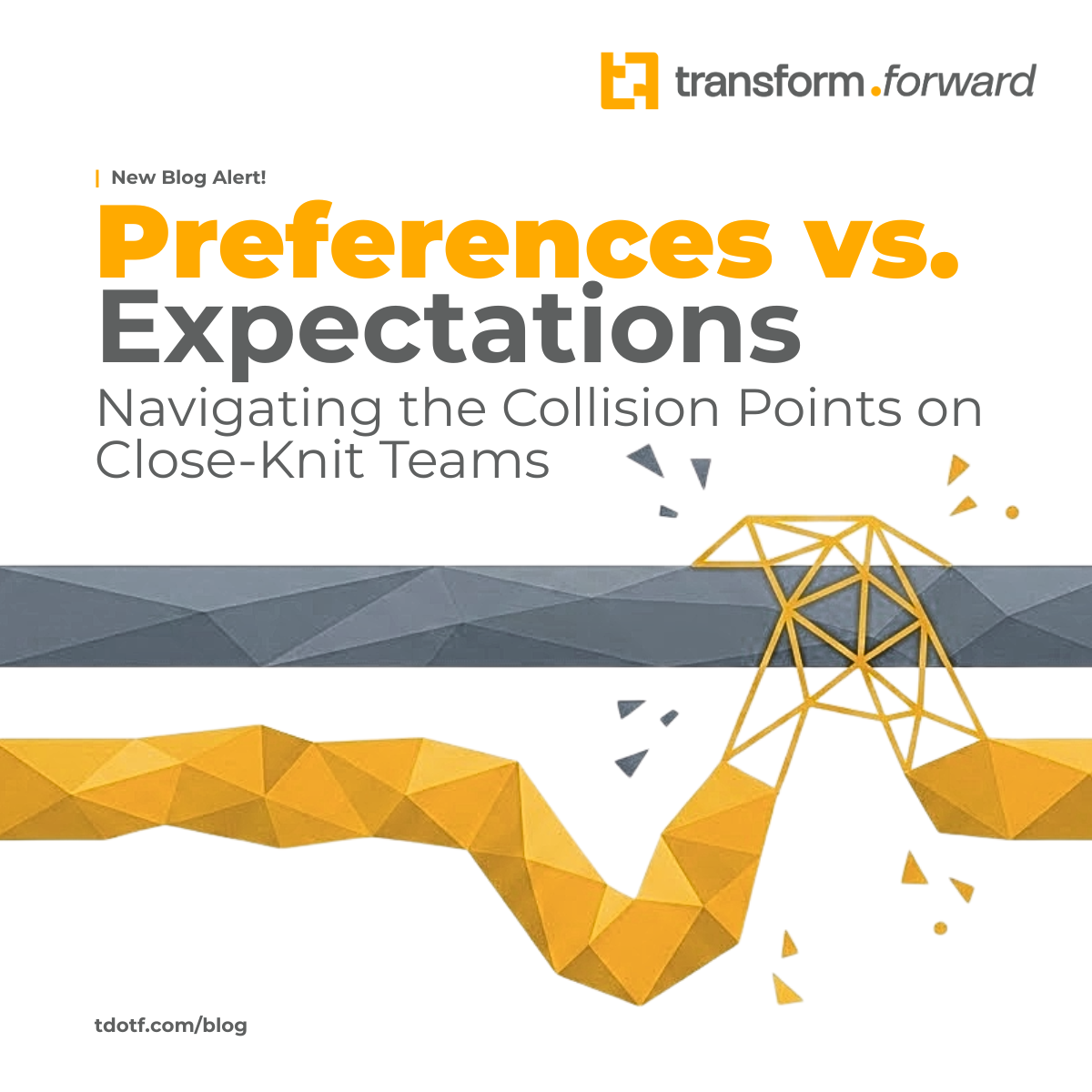
Preferences vs. Expectations: Navigating the Collision Points on Close-Knit Teams
Leaders consistently overestimate how clearly they have articulated their expectations, while team members quietly rely on unvoiced assumptions. Discover why personal work preferences don't have to perfectly match team expectations, and learn how leaders can use targeted scripts to navigate these collision points and move from forced compliance to true excellence.
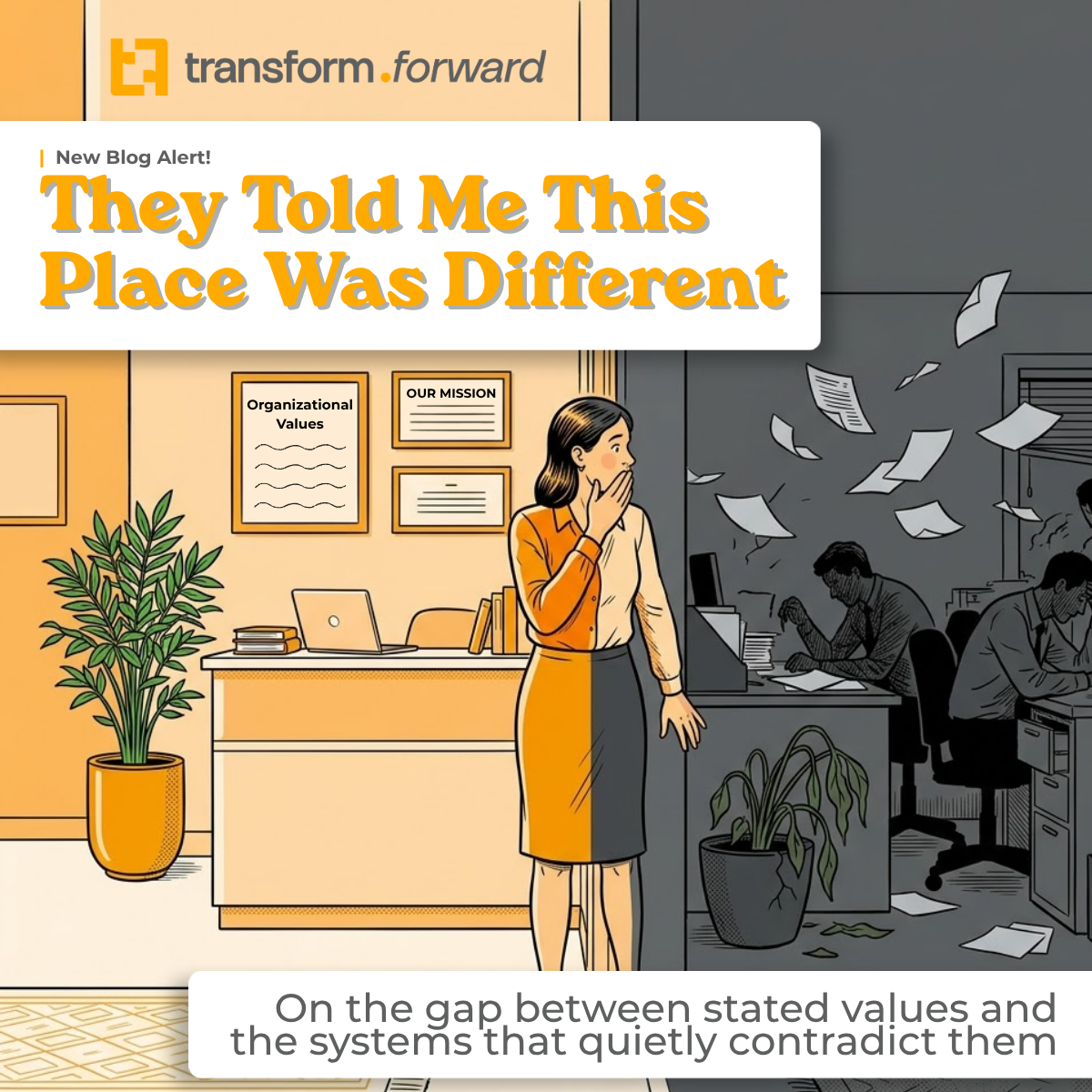
They Told Me This Place Was Different. On the gap between stated values and the systems that quietly contradict them
She wasn't looking for a perfect organization. What she was looking for, and what the interview process seemed to promise, was a place that meant what it said. She accepted the offer with genuine excitement. By month eight, she was quietly updating her resume.
Read the full post to explore the four places where the values gap most reliably lives, the questions worth asking before your next promotion cycle or all-hands, and what it actually takes to close it.
Good Data Starts with Good Ethics
In organizational research, ethics is often treated as a formality. You send the consent form, anonymize the survey, promise confidentiality, and move on. But ethical research is not a checklist. It is a series of choices about how you treat people, how you handle power, and how much trust you are willing to build or break along the way. In this post, we explore why ethical organizational research requires clarity, transparency, care, and a commitment to using data responsibly.
Strengths are Not Excuses. Your Talents Are Tools, Not a Shield.
Self-awareness is a superpower - unless it becomes an excuse. This post explores why CliftonStrengths should be used as a tool for leverage and growth rather than a way to skip out on professional baseline requirements, offering practical strategies for both individuals and supervisors to lead with intention.
Serious Business: What the Neuroscience and Organizational Research Say About Play at Work
The assumption that play is the opposite of serious work has almost no empirical support. It carries enormous cultural weight, which is part of why it persists, but the research on cognition, adult engagement, and organizational learning tells a consistently different story. When people are genuinely playing, the brain is doing something categorically different from what it does during a standard meeting. That difference has organizational consequences most leaders haven't fully accounted for.
A heads-up that this one goes deeper into the research than our typical posts. The neuroscience of play turns out to be a useful lens for understanding why certain organizational formats consistently underperform.

From Retreat to Reality - Why great off-sites don't always translate into changed behavior, and what to do about it.
You leave the off-site energized. Commitments made, action items assigned, everyone's initials on the shared doc. And then Monday happens. If that arc feels familiar, you're not alone. And it's not a leadership problem. It's a design problem. Most retreats are built to produce a powerful experience. Very few are built to produce a changed organization. Those are different design briefs, and confusing them is costing leadership teams real momentum. In this post, we unpack why the inflection point problem happens, what the research tells us about behavioral change and context, and four concrete design choices that give post-retreat commitments a fighting chance.

Beyond Slack and Snacks: Building a Remote Culture with TENs
The real issue with remote work isn't the distance; it's the misaligned assumptions. This post introduces the TENs Framework (Traditions, Expectations, Norms) - a blueprint for moving beyond abstract cultural "vibes" to a shared, intentional operating system that drives clarity and high performance.

Fun at Work is Serious Business
I take fun very seriously. This post argues that authentic fun isn't frivolous; it’s an essential, intentional practice that fosters a healthy, resilient, and connected workplace. We explore different types of fun and how to cultivate them as a strategic leader.

Structuring Beneficial 1:1s - A Guide for Supervisors
1:1 meetings can be a game-changer for building trust, boosting engagement, and keeping work on track—when they’re done right. Without structure, they can feel like just another meeting on the calendar. In this post, we’re sharing practical tips to help supervisors run effective 1:1s, from setting a clear purpose to using a standing agenda. Ready to make your 1:1s more meaningful? Let’s dive in.